- calendar_today August 8, 2025
After several years of rapid escalation, Toronto Metro home prices are now settling into a zone of modest fluctuation. Detached homes in downtown pockets are stabilizing with only slight gains, while well-located townhomes and condos are starting to see nuanced growth based on transit access and neighborhood amenities. Outer suburbs in the north and west are experiencing price plateaus or minor corrections as affordability becomes a growing concern.
While this change marks relief from the extremes of previous years, the reality is complex: many areas remain out of reach for first-time buyers, yet buyers with savings and long-term outlooks are paying more attention to pockets of value.
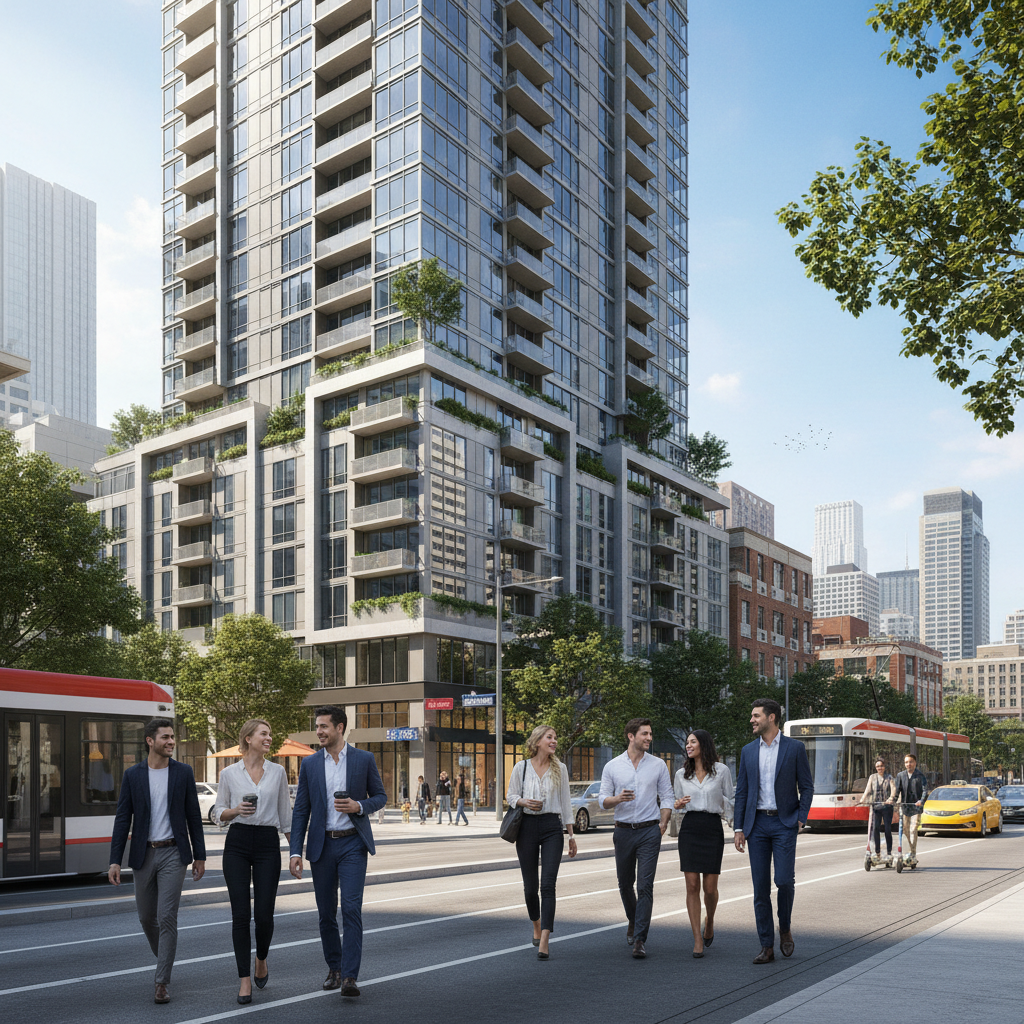
The condominium market in 2025 is demonstrating renewed vitality after pandemic-era softness. Driven less by speculation and more by necessity, condo buyers now largely comprise young professionals, downsizers, and newcomers to the city. With home prices high, many buyers are turning to urban condos as a lifestyle and affordability solution.
Pre-construction interest is rebounding in well-known development areas—Waterfront, Midtown, and Liberty Village—although fewer buyers are precommitting due to tightened mortgage regulators and cautious credit criteria. Developers are responding by offering flexible terms, such as extended deposit timelines and rate buydowns, to attract discerning buyers.
Interest Rates Redefine Purchase Strategy
Elevated mortgage rates—hovering around 5%—have fundamentally altered buyer behavior in Toronto Metro. Rather than rushing into bidding wars, potential homeowners are spending more time comparing neighbourhoods, considering condos over houses, and seeking mortgage solutions such as adjustable-rate terms or hybrid loan options.
These changes in psychology manifest in more prudent decision-making: longer closing contingencies, increased emphasis on inspection clauses, and a slower negotiation pace. For long-term buyers, this provides greater opportunity, but for those without cash reserves, affordability is still sharply limited.
Suburban Appeal Reimagined by Urban Amenities
In previous years, buyers shifted outward in search of space. In 2025, however, the pendulum is swinging back somewhat. Demand for suburbs like Etobicoke, Scarborough, and York Region remains, but there is increasing interest in inner-ring communities like The Junction, Leslieville, and Beaches—areas that offer transit, retail, and walkability.
This rebalancing reflects new practical preferences: homeowners want access to green space and schools without sacrificing convenience. Transit expansions, bike infrastructure, and local activations are increasing the appeal of these established neighbourhoods.
Supply Bottlenecks Persist Despite Policy Pressure
Toronto’s housing pipeline remains problematic in 2025. Efforts to streamline approvals for multiplexes and laneway homes are underway—but uptake is slow and market impact remains limited. Developers face high capital costs, slow pre-sales, and zoning restrictions that make new builds high-risk.
Even with increased focus on purpose-built rentals and accelerated zoning changes, genuine relief in inventory is unlikely until 2026. In the meantime, buyers are competing for available homes, and early-sold listings still attract multiple offers—even in a recalibrating market.
Rental Demand Strengthens in a Lean Market
Toronto Metro’s rental market is exceptionally tight in 2025. With many potential buyers locked out of ownership due to high rates and down payment hurdles, long-term renting has gained traction beyond student and foreign tenant demographics. Young families and professionals increasingly prefer rental flexibility amid economic uncertainty.
As vacancy remains low and rent climbs in central and midtown zones, many landlords are redirecting housing toward longer-term rental agreements, while short-term rental normalization continues to relieve some supply pressure.
Investment Trends Pivot to Sustainable Yields
Investor behavior in 2025 has shifted focus toward stable rental income and mixed-use developments. Traditional condo flipping has lost appeal under higher borrowing costs and stricter regulations. Instead, investment in rental properties, university-adjacent student housing, and multi-family opportunities in adjacent mid-sized cities is gaining traction. Calgary, Hamilton, and Kitchener-Waterloo—though outside the immediate metro—are capturing investor attention as rental yield strongholds.
Local investors in Toronto are also carefully evaluating the impact of future housing policy changes, making long-term rental and purpose-built investments more appealing than short-term gains.
Climate and Resilience Begin to Influence Value
Buyers in 2025 are giving greater weight to climate resilience and long-term utility costs. Toronto Metro residents are considering flood zones, green building certifications, and energy-efficient construction when selecting homes. Properties with heat pumps, high-efficiency HVAC, or solar readiness are increasingly desirable.
Municipal incentives supporting green upgrades and resilient building design are gaining traction, especially in new developments. Owners and buyers alike recognize that these features translate into future-proof value and lower operating costs.
Buyer Outlook: Cautious Optimism in a Structured Market
Toronto Metro’s real estate landscape in 2025 is distinctive—not in dramatic booms or busts, but in its evolution toward a more stable and disciplined environment. Buyers who can align timing, financing flexibility, and neighborhood priorities stand to benefit. Sellers must remain realistic and highlight value beyond speculation. Investors are recalibrating toward rental and mixed-use strategy rather than rapid flips.
The path forward depends on municipal policy execution, immigration trends, and economic stability. For those willing to adapt with patience and insight, 2025 offers a chance to engage meaningfully in a market redefining itself.