- calendar_today August 13, 2025
The Toronto metropolitan region, often considered Canada’s economic nerve centre, is rewriting the narrative of post-pandemic recovery in its commercial real estate (CRE) sector. In 2025, a convergence of population growth, infrastructure upgrades, and sectoral diversification is laying the foundation for a more resilient and forward-looking real estate ecosystem.
Immigration and Talent Migration Refueling Urban Demand
One of the most significant tailwinds for Toronto’s CRE market in 2025 is the steady inflow of skilled immigrants and interprovincial migrants. The city’s diverse job market, strong education system, and cosmopolitan culture continue to attract global talent. According to Immigration, Refugees and Citizenship Canada, Toronto welcomed over 150,000 newcomers in 2024, many of whom are settling in suburban nodes like Vaughan, Mississauga, and Scarborough, contributing to growing demand for office, industrial, and mixed-use developments.
With this growth, businesses are again seeking office footprints—though hybrid work remains dominant, the pendulum is swinging back slightly toward in-person collaboration, especially in the finance, legal, and tech sectors.
A Tech-Driven Office Reawakening
Toronto’s status as the “Silicon Valley North” is regaining momentum. In 2025, large players such as Shopify, Amazon Web Services, and Microsoft continue to scale their operations in the downtown core and in emerging tech hubs like Liberty Village and East Harbour.
Rather than replicating pre-pandemic leasing models, these firms are driving demand for flexible, tech-optimized office environments. Shared amenities, health-conscious designs, and energy-efficient certifications (LEED and WELL) are now baseline expectations.
CBRE reports that Toronto’s Class A office vacancy rate has decreased from 17.5% in Q2 2024 to 14.2% in Q2 2025—a promising sign that the market is adapting rather than contracting.
Industrial Real Estate Still Leads the Pack
Toronto’s industrial sector—especially in the logistics-heavy Peel and Halton regions—is experiencing one of the most robust recoveries nationwide. With e-commerce demand normalizing at a high plateau, warehouse and distribution center development remains a top investment theme.
Third-party logistics firms (3PLs) and food distribution chains are expanding their footprints along Highway 401 and in the Greater Toronto Area’s (GTA) northwestern corridors. Despite zoning challenges and limited buildable land, speculative industrial development has increased, driving year-over-year growth in lease rates.
Furthermore, the adoption of AI and robotics in warehousing is pushing demand for modern, high-ceiling, tech-integrated facilities—something older inventory can no longer satisfy.
Transit-Oriented Development: A Core Urban Strategy
One of the most transformative forces reshaping the Toronto CRE market in 2025 is the continued expansion of the city’s public transit network. Projects like the Ontario Line, Eglinton Crosstown LRT, and the Scarborough Subway Extension are not only connecting underserved areas but also catalyzing development around transit nodes.
Developers and investors are focusing on transit-oriented development (TOD), mixing commercial, residential, and retail uses around high-frequency transit corridors. This shift supports sustainability goals while aligning with Toronto’s long-term planning vision.
Neighbourhoods like Weston, Thorncliffe Park, and Birchmount are emerging as hotbeds for TOD, offering relatively affordable commercial spaces with improved accessibility.
Retail and Mixed-Use Realignment
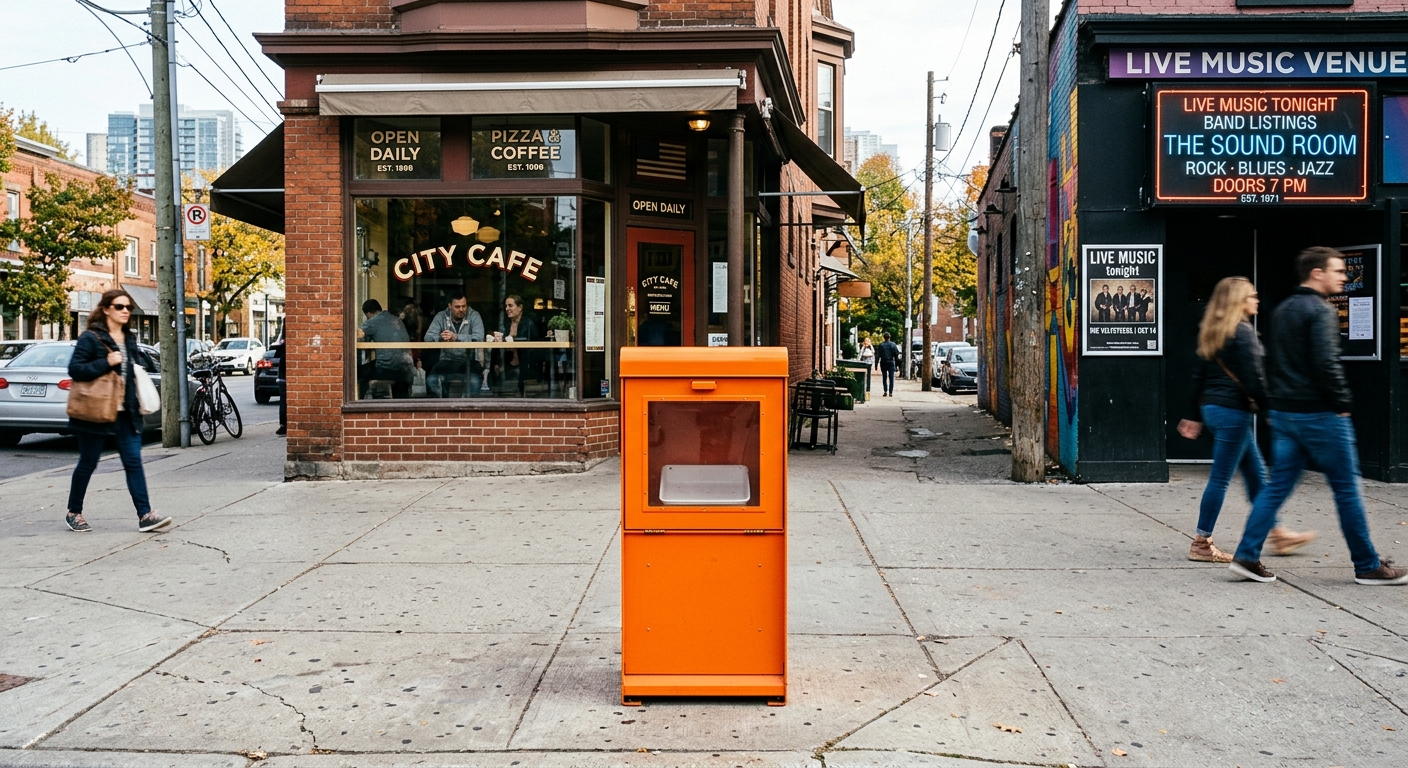
While big-box retail remains under pressure, 2025 has been kinder to Toronto’s experiential and mixed-use retail environments. The return of tourism and a booming population have led to increased foot traffic in key commercial zones such as Queen Street West, Yorkville, and The Distillery District.
Landlords are optimizing ground-floor retail within residential towers to focus on food services, boutique fitness, and locally branded stores—retail formats that emphasize community and customization over scale.
Mixed-use developments like The Well and East Harbour are continuing to reshape how Torontonians live, work, and shop in interconnected environments.
Affordability and Zoning Remain Sticking Points
Despite the upbeat outlook, the Toronto Metro area still grapples with challenges that could limit CRE growth potential. Skyrocketing construction costs, limited land availability, and cumbersome municipal zoning processes remain barriers to timely project delivery.
The introduction of Ontario’s new Bill 23 and More Homes Built Faster Act may accelerate certain approvals, but commercial developers are still calling for deeper reform to reduce red tape and provide clarity on density bonuses, parking minimums, and public-private partnerships.
Sustainability as a Competitive Edge
Sustainability is no longer a ‘nice-to-have’—it’s a necessity. Developers and tenants alike are prioritizing energy efficiency, green materials, and low-carbon design to align with ESG mandates and reduce long-term costs.
Toronto’s Climate Action Plan, aiming for net-zero by 2040, is incentivizing energy-efficient retrofits and solar integration into CRE assets. Firms that can show measurable progress on sustainability benchmarks are seeing better leasing interest and stronger investor confidence.
Investment Trends: Flight to Quality
From a capital markets perspective, 2025 has seen renewed interest from institutional investors, REITs, and cross-border buyers—particularly in stabilized, transit-accessible, and ESG-compliant assets. There’s also growing appetite for repositioning underperforming assets into mixed-use or residential conversions.
Notably, foreign capital from Europe and Asia is returning to Toronto’s core, where long-term fundamentals and political stability continue to outweigh cyclical fluctuations.
Outlook: Resilience Built on Reinvention
Toronto Metro’s commercial real estate sector is not merely recovering—it’s transforming. What 2025 reveals is a shift from speculative overbuilding toward strategic, community-oriented, and future-ready development.
With its unmatched talent pool, evolving infrastructure, and growing global profile, Toronto is positioning itself not only as a real estate hub—but as a testbed for what urban commercial ecosystems of the future could look like.