
- calendar_today August 14, 2025
Toronto’s real estate market in 2025 continues to evolve under the influence of high interest rates, population growth, and shifting affordability. The Greater Toronto Area (GTA) is seeing tempered but steady investor interest, with a pivot away from speculative buying and toward long-term income stability and demographic-driven planning.
From suburban growth to intensified urban demand, seven sectors are emerging as resilient and adaptable investment options across Toronto, Mississauga, Vaughan, Brampton, and Markham.
Multifamily Housing: A Pillar of Rental Demand
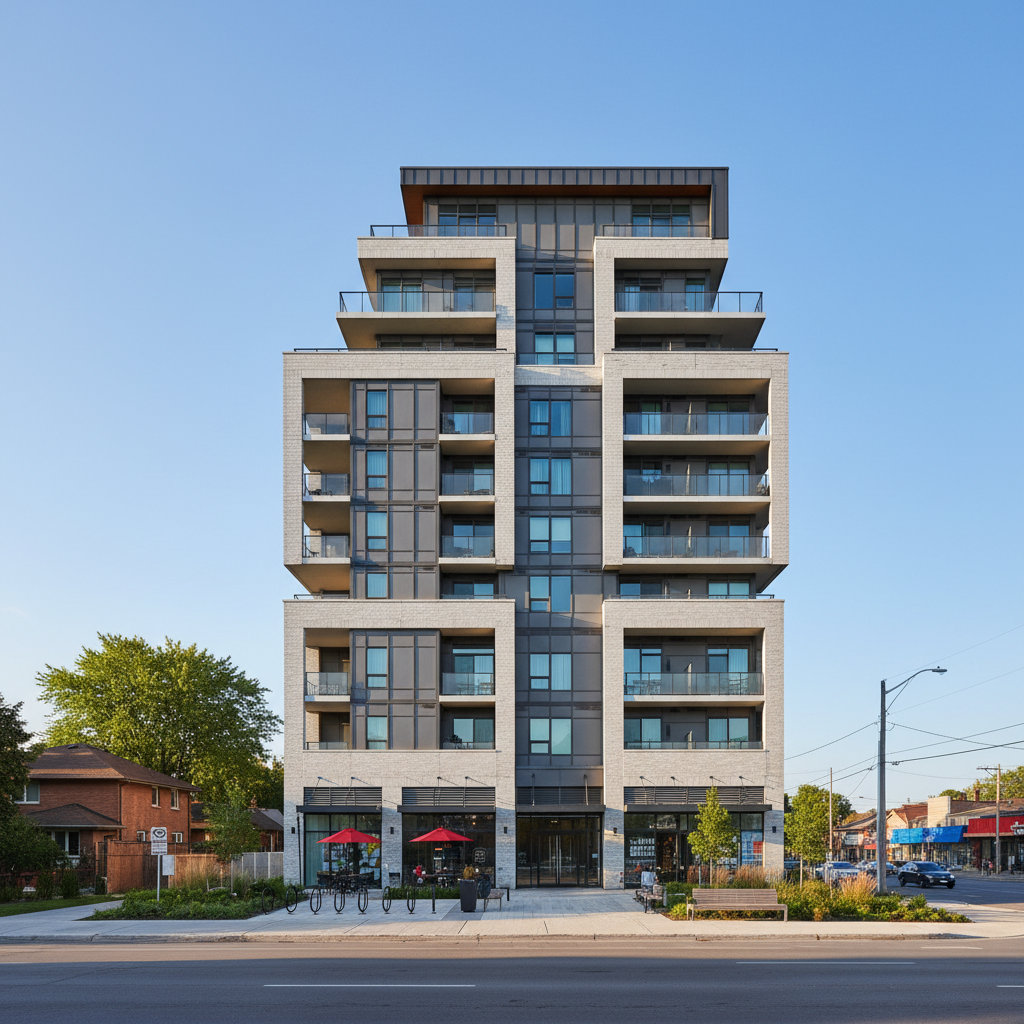
High mortgage costs and tighter lending rules have extended renter lifespans across the GTA. Multifamily housing—especially mid-rise buildings and older rental stock—remains a backbone of Toronto’s housing ecosystem.
Neighbourhoods like Scarborough, Etobicoke, and North York are seeing strong occupancy rates, with vacancy under 2% in many zones, according to CMHC. Upgrades to older properties and the expansion of build-to-rent projects are creating steady 2–4% annual rent growth. For investors, the appeal lies in consistent cash flow and high tenant demand amid a chronic housing shortage.
Industrial Properties: Underrated but Essential
While residential headlines dominate in Toronto, industrial assets have quietly become top performers. The GTA’s warehouse and logistics infrastructure—from Vaughan to Milton—has seen record-low vacancy (below 3%) and 6–8% rent increases, per Colliers’ 2025 market report.
E-commerce fulfillment, cold storage, and light manufacturing are fueling expansion. With GTA West Logistics Hub developments and highway access improving, institutional investors and REITs are targeting long-term plays in the industrial space.
Single-Family Rentals: Surging in Suburban Nodes
The outer suburbs—like Ajax, Milton, and Newmarket—are hotspots for single-family rental (SFR) growth. With affordability out of reach for many first-time buyers, families are turning to rental homes in good school zones with transit access.
Investors are gravitating toward these suburban homes for their low turnover and solid yields. Roofstock-style platforms and Canadian equivalents are making SFR portfolios easier to scale, especially in high-growth regions of Peel and Durham.
Downtown vs. 905: Migration within the Metro
Unlike U.S. Sun Belt migration, Toronto’s trend is internal—urban residents are leaving the core for 905-area municipalities. In 2025, the growth is strongest in Brampton, Vaughan, and Pickering, where infrastructure investment and lower prices are driving development.
Still, Toronto proper remains attractive to young professionals, students, and immigrants. The key is balancing affordability with accessibility. Developers are responding with mid-density housing along transit lines, especially in areas surrounding Eglinton Crosstown and Ontario Line developments.
Mixed-Use Projects Powering Urban Intensification
Mixed-use developments are thriving in the Toronto core and growing suburban centers. Projects in Liberty Village, East Harbour, and Mississauga’s City Centre blend residential, retail, and office into compact, walkable communities.
While approval delays and construction costs pose challenges, demand for lifestyle-focused properties remains strong. Renters and buyers alike are seeking convenience and community—driving investor interest in blended-use formats with built-in amenities.
Niche Investments: Student and Senior Housing
Toronto’s universities—including U of T, Ryerson (TMU), and York—continue to drive demand for student housing. Vacancy rates are low, and pre-leases are above 90%. Purpose-built student accommodations (PBSA) with tech features and modern layouts are outperforming.
Meanwhile, the aging GTA population is spurring growth in senior living. Independent and assisted living facilities in Richmond Hill, Oakville, and Vaughan are gaining traction. With baby boomers downsizing, developers are responding with facilities that blend care, convenience, and quality of life.
Local Risks and Market Cautions
Toronto investors must navigate specific challenges—skyrocketing development charges, construction costs, and slow permitting processes among them. In flood-risk zones along the Don River or Lake Ontario, rising insurance premiums are a growing concern.
Policy shifts—including rent control expansions or zoning restrictions—can also affect ROI. Keeping a pulse on municipal policy is essential for real estate players across the GTA.
What the Experts Say
“Toronto’s resilience lies in its diverse economy and population growth,” says Marissa Leung, regional director at CBRE Canada. “But smart investors are going hyper-local—understanding the nuances between a project in Scarborough and one in Oakville is more critical than ever.”
Urbanation’s 2025 outlook echoes this, stressing the importance of localized data and aligning strategy with transit access, affordability, and livability across the region.
Diversified Strategy Is Key in the GTA
Toronto’s market is vast and fragmented, but the winning strategies in 2025 are focused and diversified. Multifamily remains essential. Industrial continues to gain strength. Suburban SFRs and niche housing types are responding to evolving demographic needs.
Mixed-use and mid-density urban development are leading the charge, as is strategic investment in university towns and aging communities. In a city as complex and regulated as Toronto, localized precision and patient capital will separate successful portfolios from speculative ones.


