
- calendar_today April 24, 2026
Connecting the Dots: Home Depot and Home Supply Chain Insights
When you think about home improvement projects, whether it’s a simple DIY or a major renovation, Home Depot likely comes to mind. But have you ever stopped to consider the vast network it represents? Home Depot isn’t just a retail giant; it’s a pivotal hub in the global home supply chain, connecting manufacturers, suppliers, and customers in a way that impacts economies and home aspirations worldwide.
The Spine of the Home Supply Chain: Home Depot’s Infrastructure
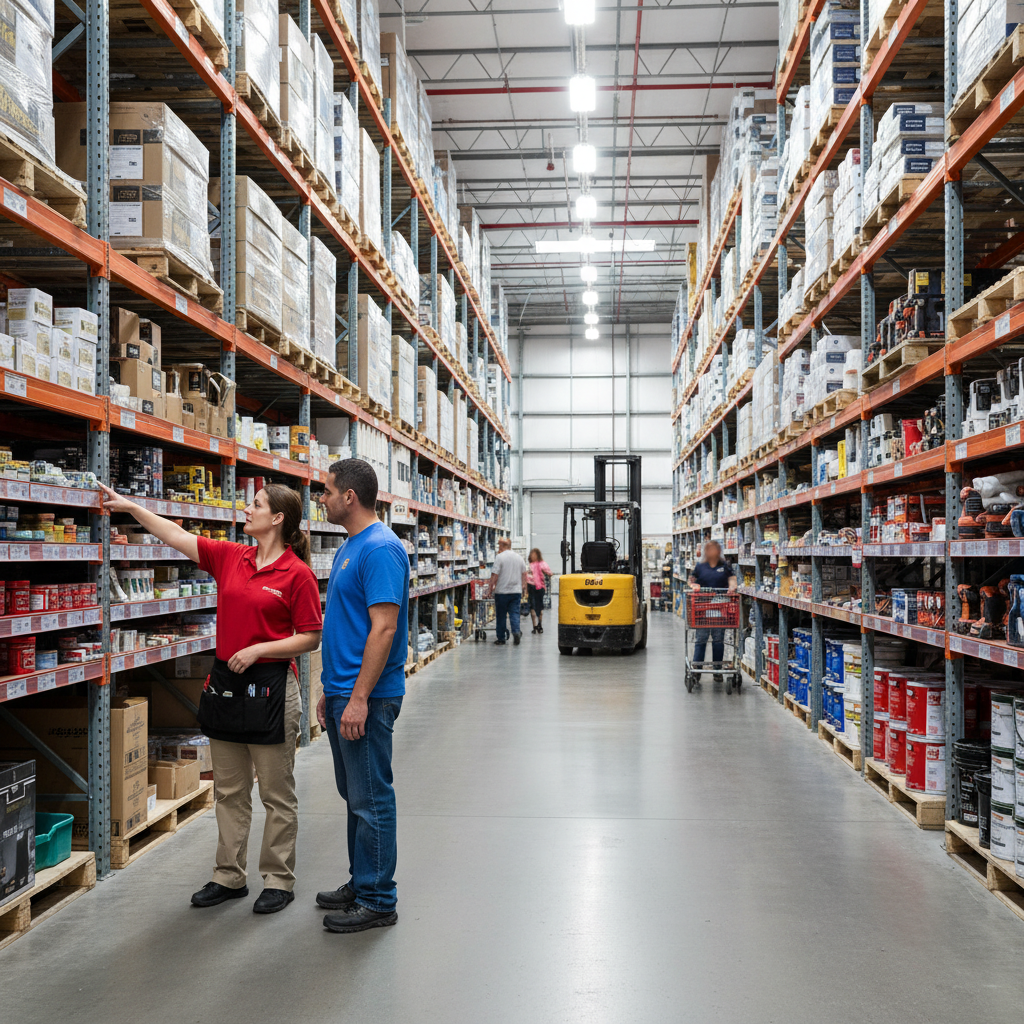
Home Depot has built an immense infrastructure that supports thousands of suppliers and manufacturers around the globe. With more than 2,200 stores across North America and a robust online presence, you might say Home Depot is the backbone of the home supply chain.
Logistics and Distribution
Understanding Home Depot’s logistics and distribution model sheds light on how it optimizes supply chain efficiency. The company employs a multi-channel distribution approach, combining both physical stores and e-commerce. This hybrid model allows quick fulfillment, crucial for customers tackling urgent home improvement projects.
For instance, the implementation of regional distribution centers enables Home Depot to efficiently manage inventory and reduce lead times. It strategically positions products close to its customer base, ensuring you get the materials you need promptly. A study from the International Journal of Production Economics has shown that logistics improvements contribute significantly to customer satisfaction, which is a core priority at Home Depot.
Supplier Partnerships: A Network of Trust
Home Depot’s robust supplier partnerships play a crucial role in establishing a sustainable supply chain. The company collaborates with diverse suppliers, from large manufacturers to local artisans, allowing them to offer a wide range of products that suit your home improvement needs.
Quality and Sustainability Standards
Home Depot has instituted stringent quality and sustainability standards for its suppliers. By prioritizing eco-friendly products, the company aligns itself with modern consumer demands and environmental responsibility. For example, their commitment to sourcing products with responsible materials has not only enhanced their brand reputation but has also attracted a loyal customer base that prioritizes sustainability.
Take, for instance, the Eco Options program, which is designed to help customers identify environmentally friendly products available at Home Depot. By doing this, Home Depot integrates sustainability into its supplier relationships, reinforcing its role as a market leader.
The Digital Transformation of Home Supply Chains
Home Depot has embraced digital tools and technologies to streamline operations across its supply chain. This digital transformation enables the company to better connect with customers, suppliers, and logistics partners.
Inventory Management and Data Analytics
Using advanced data analytics, Home Depot can predict demand fluctuations and adjust its inventory accordingly. Tools like machine learning algorithms analyze purchasing patterns to help forecast which products will be in demand during different seasons.
As a result, you’ll often find Home Depot stocked with the latest products that homeowners are looking for. This proactive approach has positioned the company as a market leader in understanding consumer trends, ultimately enhancing the shopping experience.
Community Engagement and Workforce Development
Home Depot is not just focused on supply chain efficiency; it’s also invested in community engagement and workforce development. Understanding that a skilled workforce is essential for maintaining a robust supply chain, Home Depot offers various training programs and workshops.
Supporting Local Economies
By investing in local communities through training and workshops, Home Depot strengthens its supply chain and creates a ripple effect of economic growth. These programs help to cultivate a new generation of skilled workers while also bolstering local economies.
The company’s partnerships with local trade schools and vocational programs ensure that future tradespeople have the skills needed to succeed. This initiative resonates well with customers who appreciate brands that contribute positively to society.
The Global Perspective: Challenges and Innovations
The home supply chain faces numerous challenges, from fluctuating material costs to geopolitical uncertainties. Home Depot, however, is adept at navigating these intricacies thanks to its global reach and strategic planning.
Adapting to Global Supply Chain Disruptions
In recent years, global disruptions, such as the COVID-19 pandemic, have highlighted vulnerabilities in supply chains. Home Depot swiftly adapted by leveraging digital technologies and diversifying its supplier base to mitigate risks. The company has enhanced its commitment to local sourcing, ensuring a more resilient supply chain that can withstand unforeseen challenges.
According to a report from McKinsey & Company, the ability to pivot quickly is crucial for businesses that aim to maintain supply chain integrity and customer satisfaction.
Conclusion: Home Depot as a Catalyst for Change
Home Depot’s role in the global home supply chain extends beyond mere retail; it actively shapes the landscape of home improvement. By focusing on logistics, supplier relationships, digital transformation, community engagement, and resilience amidst challenges, Home Depot stands as a perfect example of how a company can inspire change in the industry.
As you think about your next home project, reflect on the vast network that supports your needs. Home Depot isn’t just a store; it’s a crucial connector in a dynamic and ever-evolving home supply chain.


