
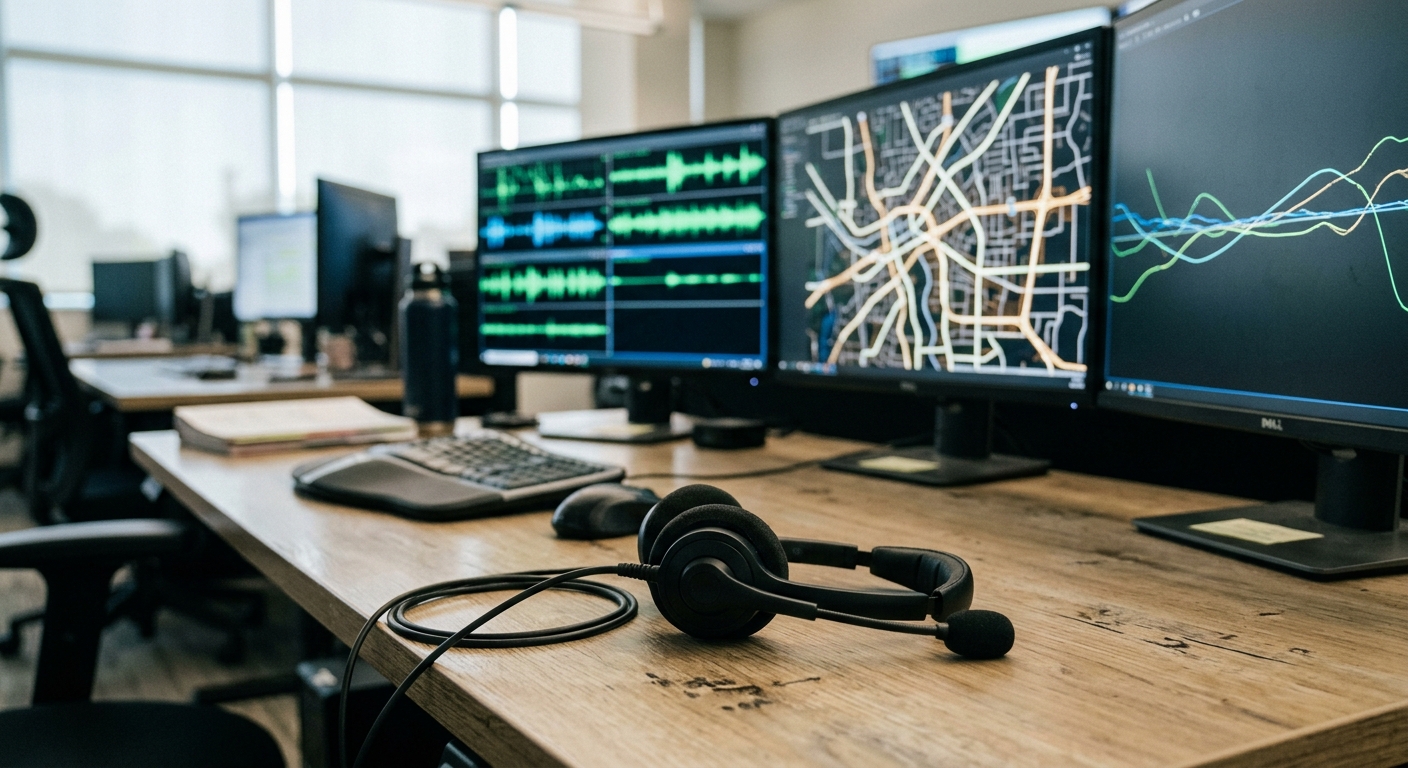
AI-generated illustration; not a photograph of the reported event.
- calendar_today October 9, 2026
Halton Police Introduce AI for Recruitment and Training
Halton’s police force announced they will begin using artificial intelligence to hire and train 911 call takers, aiming to streamline processes and make recruitment more data-driven. According to a recent news release, the force is partnering with American firm GOVWORKX to implement technology that could reduce the time required to evaluate candidates by 50 percent.
Enhancing Efficiency with GOVWORKX Technology
GOVWORKX’s platform will generate emergency call simulations to help candidates develop crisis management and communication skills. Halton police say this initiative addresses the current lengthy recruitment cycle, which includes reviewing some 1,400 applications each year. Selected candidates undergo a five-week training curriculum and 360 hours of hands-on experience before graduating as call takers. The process is repeated for candidates training as dispatchers.
Previously, training and hiring could stretch to a year. Brian Dodd, 911 communications manager, emphasized the benefit of AI in the early selection stage: “If we’re hiring the right candidates at the beginning with a high probability of success through training, a year from now, the goal is that they will all still be here and be signed off as 911 communicators.”
AI Training and Automated Quality Assurance
The new system will not only enhance candidate screening but will also support the ongoing training of selected call takers. Dodd noted the technology will provide continued “automated quality assurance” throughout call takers’ careers.
Dodd assured that there would always be “a human in the loop” when using AI in these high-stakes environments.
Legal and Oversight Concerns About AI in Criminal Justice
Despite assurances of human oversight, some legal experts have called for stronger regulations around the use of AI in policing. Ryan Fritsch, a lawyer with the Law Commission of Ontario focusing on law reform and AI in the criminal justice system, warned that existing standards may not be sufficient. Fritsch explained that staff working under pressure may rely too heavily on AI, potentially leading to errors in situations that could affect investigations or legal proceedings.
“The concern is that the AI can get it wrong. It can misinterpret cultural or linguistic cues, make mistakes, mischaracterize events, and get facts wrong too,” Fritsch told CBC Toronto. He recommended mandatory assessments and oversight for high-risk AI systems deployed in criminal justice, to ensure transparency and reliability.
Expanding AI Integration with SARA AI
This latest initiative comes a year after Halton police first deployed another digital assistant, SARA AI, to answer certain non-emergency calls. According to Halton police, SARA AI reduced 911 call wait times by nearly two seconds per call—an improvement Dodd described as significant. SARA AI has already handled more than 95,000 calls and spent over 1,000 hours interacting with residents.
A second phase in the rollout of SARA AI is planned for January, as Halton police continue to invest in technologies to enhance emergency response operations.
Source: cbc.ca.


