- calendar_today August 23, 2025
.
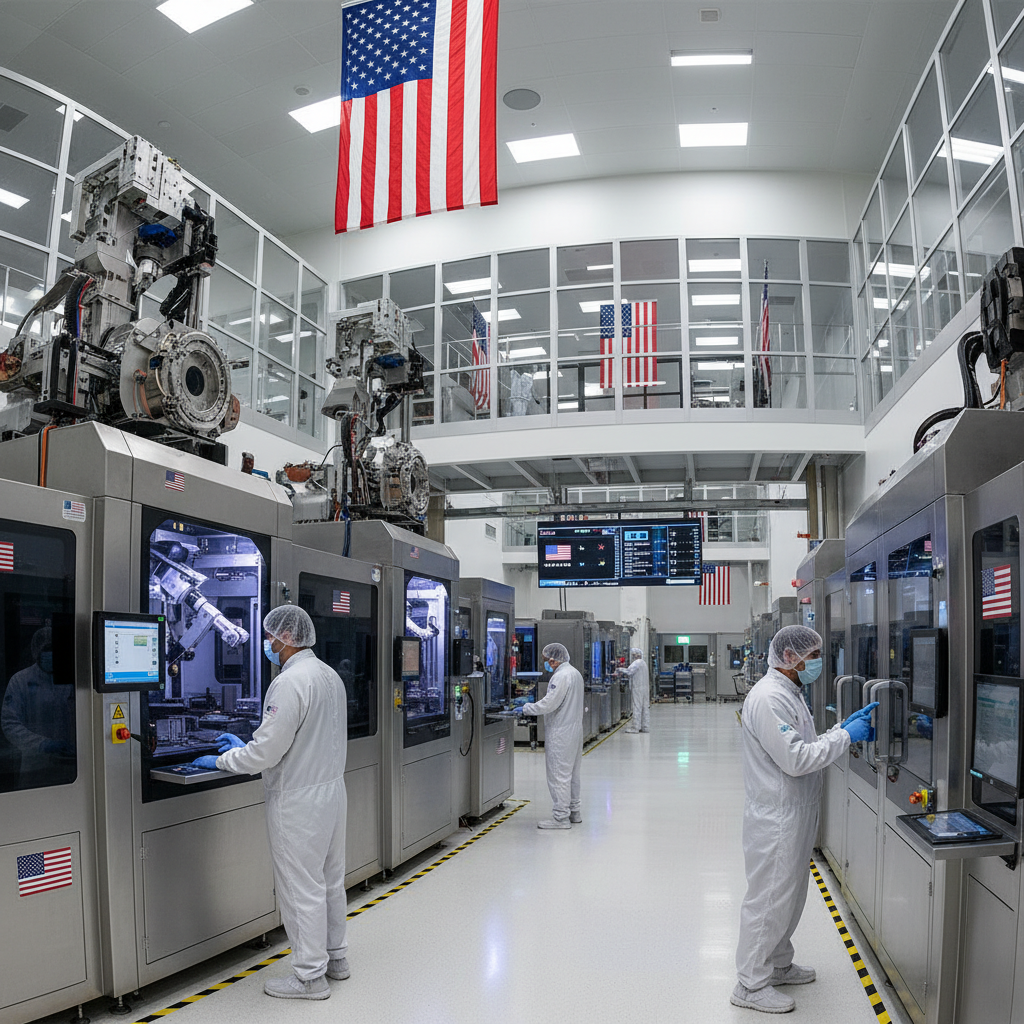
On Monday, the federal government became Intel’s biggest shareholder after President Donald Trump authorized a 10% stake in the beleaguered American chipmaker. It is the latest move in the ongoing shift in Trump’s economic policy and a break from traditional Republican orthodoxy that’s provoked a backlash from conservatives who have otherwise stayed loyal to the former president.
Trump, in a speech at Intel’s facilities in New Mexico, cast the deal as a wise investment that will make the U.S. “richer and richer” and suggested it would not be his last. “I hope I’m going to have many more cases like it,” he said. He has also teased a potential new stake in another company.
Intel CEO Pat Gelsinger, who has partnered with Trump, opened the event by praising “President Trump’s vision of America’s leadership in advanced chip manufacturing” and claiming the move “protects our national security” while also spurring jobs and innovation. Gelsinger has previously expressed interest in an investment from the government.
The deal itself has also left many observers asking when it becomes socialism. The politics of the deal are a pointed question: Conservatism’s decades-old definitions of socialism have, in part, been defined as government ownership of the means of production for the public good. By those standards, Trump’s decision is little different from what we see in countries like China or Russia.
“I liked him a lot, I thought he was very good,” he said after a personal meeting with the CEO. There are also concerns about how this precedent will affect Intel in the future and whether it could end up as a “half-government”-owned company.
Sen. Rand Paul (R-KY) tweeted: “Wouldn’t the government owning part of Intel be a step toward socialism? Terrible idea.” Sen. Thom Tillis (R-NC) warned it could lead to a “semi-state-owned enterprise a la CCCP.”
Trump has made clear that this case is different and in contrast with the takeovers of Chrysler and GM during the Obama administration. “We are not bailing out Intel,” he said. “We are investing in Intel.” He claimed he converted almost $9 billion in grants (money already committed to the company under President Joe Biden’s bipartisan Chips Act) into equity, which he said added $10 billion to $11 billion in immediate value for taxpayers. “Why are ‘stupid’ people unhappy with that?” he asked.
The reaction from conservatives was fast and loud. Trump’s former top economic adviser, Larry Kudlow, said on Fox Business that he was “very, very uncomfortable with that idea.” Steve Moore, another informal Trump adviser, was even more direct, saying, “I hate corporate welfare. That’s privatization in reverse. We want the government to divest of assets, not buy assets. So terrible, one of the bad ideas that’s come out of this White House.”
National Review published an editorial warning against the move, noting “government shouldn’t get into the chip business.” National Association of Manufacturers head Jay Timmons released a statement saying it was “encouraged by the Administration’s emphasis on making our nation the leader in the advanced chip industry,” but that the deal itself “risks setting a precedent we should avoid.”
Intel itself, despite working on the deal, was quick to note it in a filing with the Securities and Exchange Commission on Friday, saying that the deal could result in less government funding, a hit to sales internationally, and greater regulation of its business. Intel, already in decline this year, announced in March that it would cut 15% of its employees.
But the market welcomed the announcement of the stake, and Intel’s stock price ticked up by more than 4% following Trump’s speech. Intel’s market value is around $110 billion — though the stock price is down 50% so far in 2024.
The Wall Street Journal reported that Trump at one point demanded Intel CEO Lip-Bu Tan step down over his past ties to China. He reportedly later decided against it after his meeting at the White House. “I liked him a lot, I thought he was very good,” Trump said of the CEO after their meeting.
Conservatives are still questioning the wisdom of such a move even as Trump argues that the U.S. government will remain a non-voting shareholder and stay out of Intel’s business decisions. The obvious fact is that when the president of the United States becomes a company’s biggest shareholder, it’s very hard to believe he won’t have an influence.
If Intel steadies and bounces back, Trump will take credit for bolstering a pillar of American technology; if it continues to sink, it’s American taxpayers who will be on the hook. And as Trump has promised publicly, there will be more deals like this one to come. But is this socialism? Is it capitalism? Is it Trumpism? It’s likely to become louder and louder as the debate plays out.
And at the very least, it’s a fundamental change in the relationship between the federal government and private business and a clear example of how far Trump has moved the Republican Party on the topic of economic policy.