- calendar_today August 9, 2025
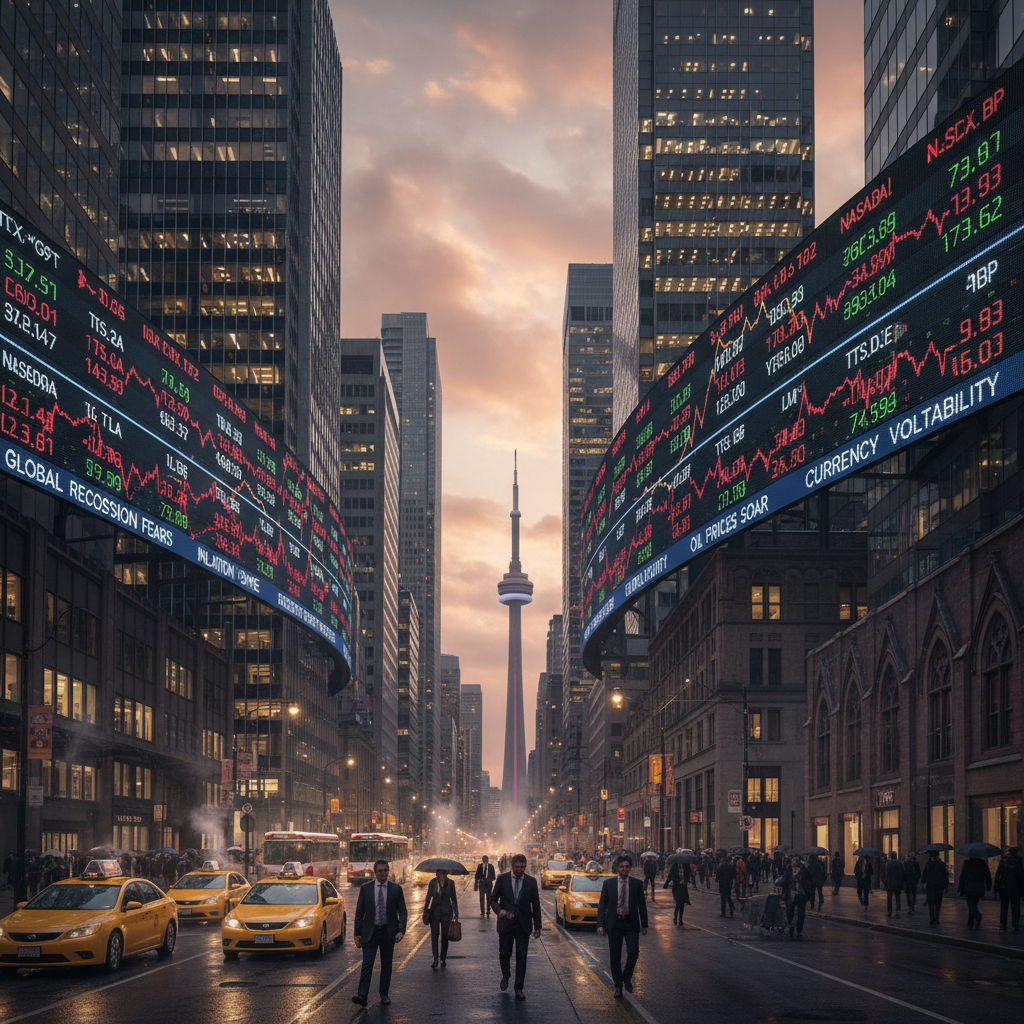
In 2025, the resurgence of trade tensions between the United States and China is creating ripples across global economies, including the Toronto Metropolitan Area. As Canada’s largest urban economy and financial hub, Toronto’s markets, industries, and investors are particularly sensitive to disruptions in international trade and supply chains.
The U.S. government’s imposition of tariffs up to 54% on a broad array of Chinese imports—ranging from electronics to automotive parts—has prompted swift retaliatory tariffs and export restrictions from China. These actions have heightened uncertainty and volatility, impacting sectors central to Toronto’s economic landscape.
Toronto Metro’s Economic Exposure
Toronto’s economy is highly diversified, with strengths in finance, technology, manufacturing, and services. Each of these sectors is impacted differently by the escalating trade tensions.
Financial Services
Toronto is Canada’s financial capital, home to major banks, investment firms, and the Toronto Stock Exchange. Market volatility driven by trade tensions affects investor confidence and asset valuations. Financial institutions are closely monitoring shifts in global markets to adjust risk models and client strategies accordingly.
Technology and Innovation
Toronto boasts a thriving technology sector, encompassing software development, fintech, artificial intelligence, and semiconductor manufacturing. Many tech companies depend on supply chains involving Chinese components and rare earth minerals. China’s export restrictions and tariffs create risks of increased costs and production delays, challenging growth projections.
Manufacturing and Automotive
Toronto’s manufacturing base, particularly automotive and machinery production, relies heavily on cross-border supply chains integrated with both the U.S. and China. Tariffs and disrupted supply lines are increasing costs and complicating operations, prompting companies to reconsider sourcing and production strategies.
What Toronto Metro Investors Can Do
Given the complex and fluid trade environment, investors in Toronto Metro are advised to consider several strategies:
- Diversify Across Sectors and Asset Classes:
Balancing portfolios with investments in sectors less exposed to international trade tensions—such as healthcare, utilities, and domestic services—can reduce volatility. - Consider Alternative Investments:
Commodities, real estate investment trusts (REITs), and inflation-protected securities offer potential hedges against market swings and inflationary pressures. - Stay Informed and Agile:
Regularly tracking trade negotiations, corporate earnings, and economic indicators allows for timely portfolio adjustments. - Explore Reshoring and Innovation Opportunities:
Investing in companies benefiting from reshoring initiatives or leading in clean technology and innovation may provide long-term growth avenues.
Managing Risk and Capitalizing on Opportunity
The 2025 U.S.–China trade tensions underscore the volatility and interconnectivity of global markets impacting Toronto’s economy. While risks persist, the city’s diverse economic base and innovation-driven sectors offer pathways for resilience.
Investors who remain flexible, informed, and strategically diversified will be better equipped to protect their portfolios and identify emerging growth opportunities within the Toronto Metropolitan Area’s vibrant economy.