- calendar_today August 10, 2025
OpenAI released the “Images in ChatGPT” feature that brings direct image generation capabilities into the ChatGPT platform. The GPT-4o model powers this new feature, which lets users generate images during conversation interactions, creating a landmark event in the realm of AI content creation.
Users across all ChatGPT subscription plans, including Plus, Pro, Team, and free, can now access the “Images in ChatGPT” feature, which aims to extend users’ access to advanced image generation. OpenAI spokesperson Taya Christianson explained that free tier users face image generation limits like DALL-E 3, with three images daily, but highlighted that OpenAI adjusts these limits according to demand. Users who desire a distinct DALL-E experience can still access it through a specialized GPT.
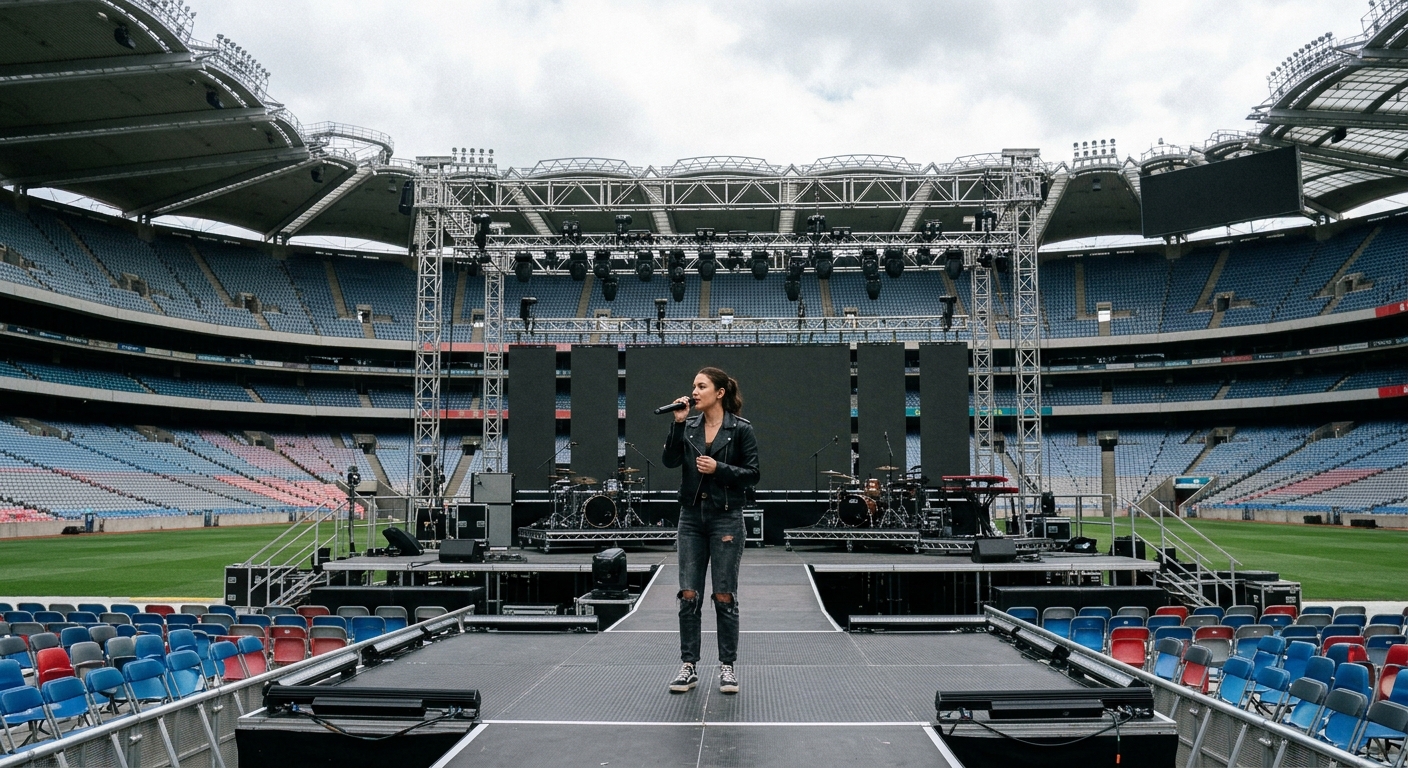
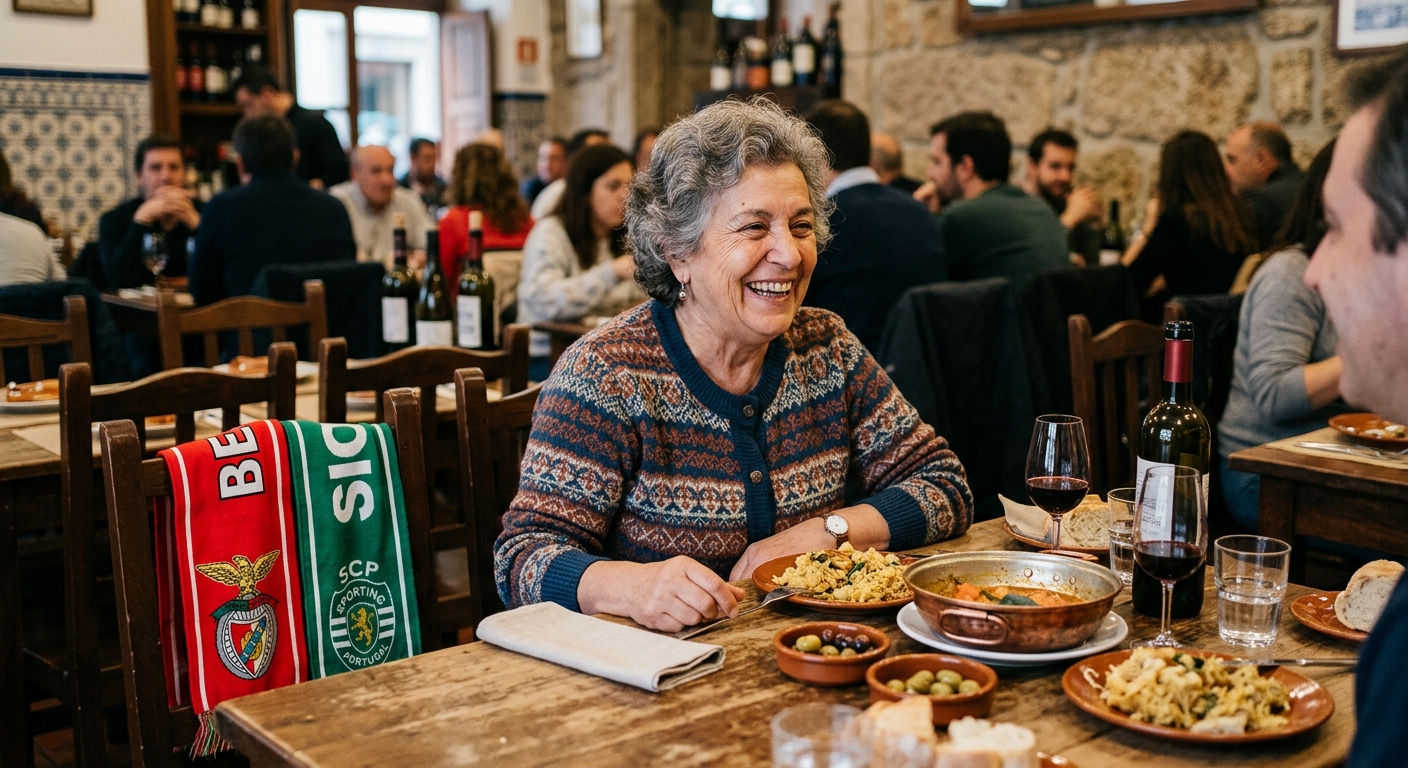
OpenAI’s research lead Gabriel Goh described GPT-4o as a transformative “omnimodal” model that can process various data forms such as text and images alongside audio and video. The model now features enhanced “binding” abilities, which solve a longstanding issue in AI image generation. Where previous models faced difficulties in keeping object attributes consistent, GPT-4o demonstrates reliable control over managing 15 to 20 objects without confusing their colors or shapes.
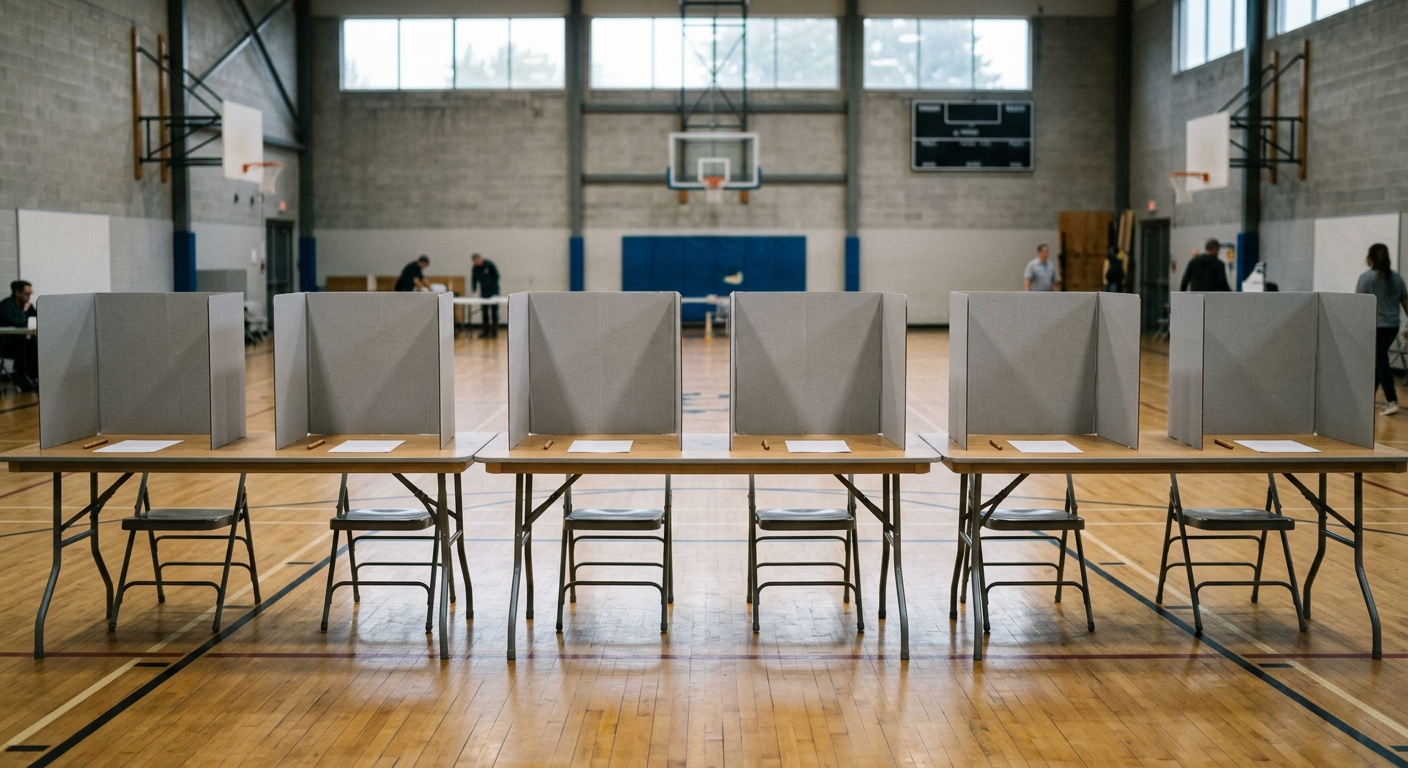
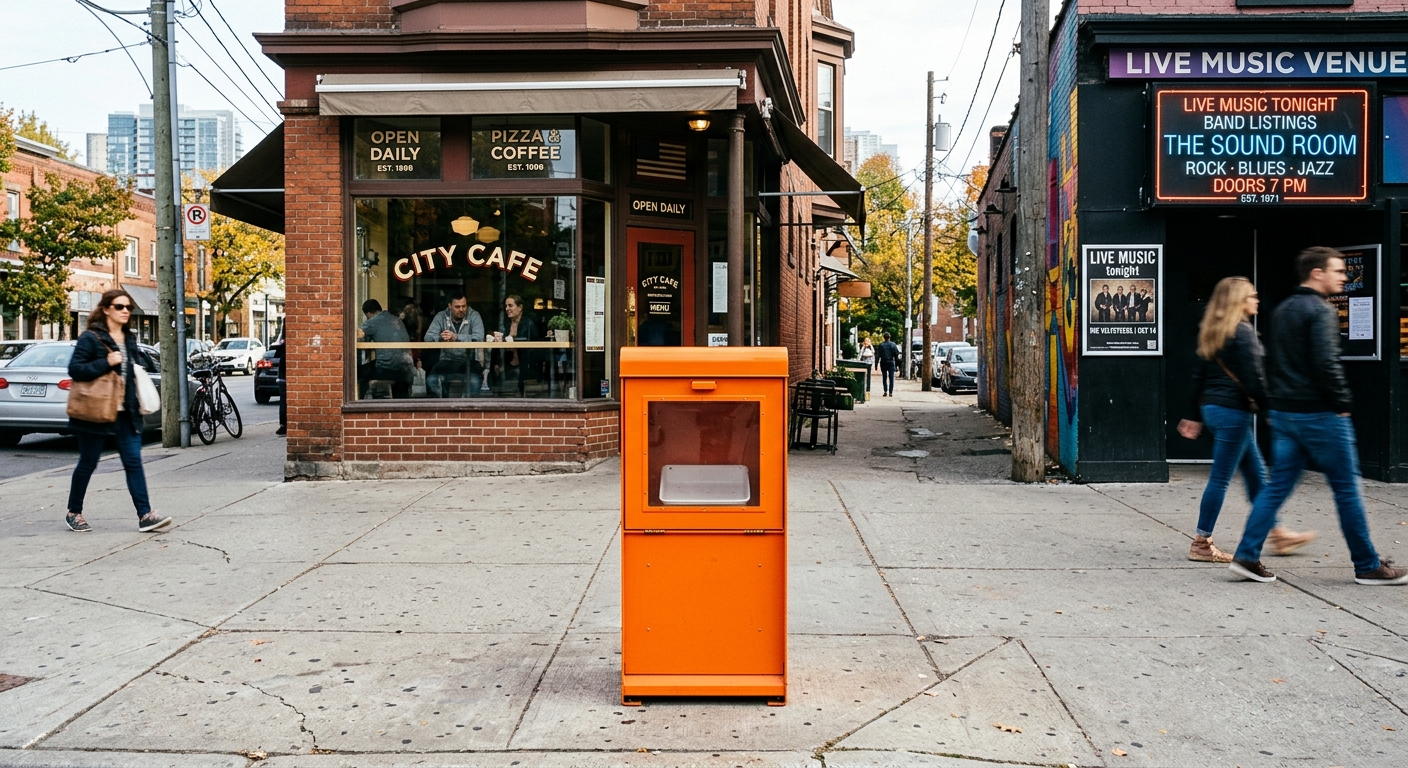
A significant improvement in the system is its enhanced ability to render text. AI-generated images have historically exhibited issues with text that appeared scrambled or meaningless. Goh described the development as an extensive iterative process that required many months to achieve accuracy. The team has achieved reliable text usability within images by reaching a consistency level, although perfect text rendering for small text remains difficult.
The system architecture uses an autoregressive method instead of the traditional diffusion models found in image generators. An autoregressive image generation method that creates images from left to right, then top to bottom, mimics text production to improve text rendering and binding capabilities.
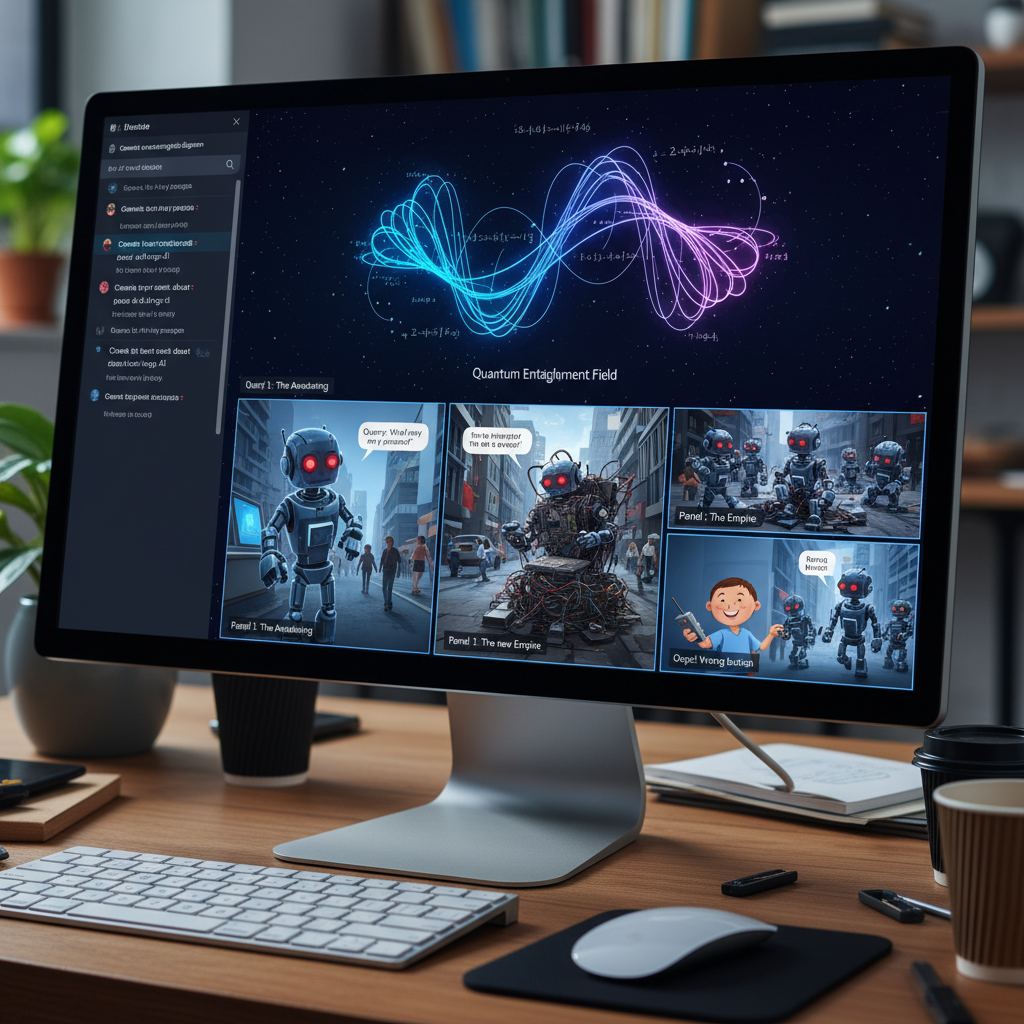
OpenAI presented the system’s versatile uses, which range from producing scientific diagrams that precisely label Newton’s prism experiment to creating multi-panel comics featuring consistent characters and dialogue while also designing informational posters with accurate text. Demonstrations included practical uses like creating transparent background images for stickers, restaurant menus, and logos.
The multimodal product lead at ChatGPT, Jackie Shannon, demonstrated how the system utilizes world knowledge. She creates images based on her existing skill set and adds the world knowledge she has acquired. The model incorporates world knowledge, which allows users to request an image of Newton’s prism experiment without needing to provide an explanation of what it is.
OpenAI believes the improved quality and new capabilities of their image generation process make the increased time required worthwhile. According to Shannon, the enhanced image quality and world knowledge capabilities compensate for any latency users experience during image generation.
OpenAI responded to worries about potential misuse by emphasizing its strong protective measures. The system incorporates multiple layers of security to stop watermark removal and sexual deepfake generation while blocking requests for CSAM content. The generated images from OpenAI will not show visual watermarks but will embed standard C2PA metadata to identify them as OpenAI products. The company operates internal verification tools for images.
“We recognize that this system has limitations, but our ongoing efforts to enhance protection measures make this baseline effective,” Shannon explained. All images created through ChatGPT belong to the user, who can use these images according to our usage policies.
The addition of advanced image generation capabilities to ChatGPT creates a significant advancement in AI creative technology. Through enhanced binding techniques and text rendering capabilities alongside strong security measures, OpenAI shows its dedication to providing both effective and accountable software solutions. The company demonstrates its innovative image generation capabilities by adopting an autoregressive approach, which departs from conventional diffusion models. OpenAI demonstrates its commitment to transparency and ethical standards by making user ownership and metadata integration central to AI-generated content development. The new launch establishes a benchmark for AI image generation that combines accessibility and power with active risk mitigation measures.