- calendar_today August 10, 2025
It’s mid-2025, and Canada’s most dynamic urban economy—Toronto Metro 1—is undergoing a seismic shift. The U.S.–China trade war, escalating tariff policies, and retaliatory actions by global players have rattled international markets. But for investors in Toronto’s core, the impact hits especially close to home.
From high-rise real estate to downtown tech campuses, Toronto Metro 1—encompassing the central city and surrounding financial districts—is navigating disrupted supply chains, rising costs, and investor uncertainty.
Toronto’s Real Estate Engine Faces Supply Pressures
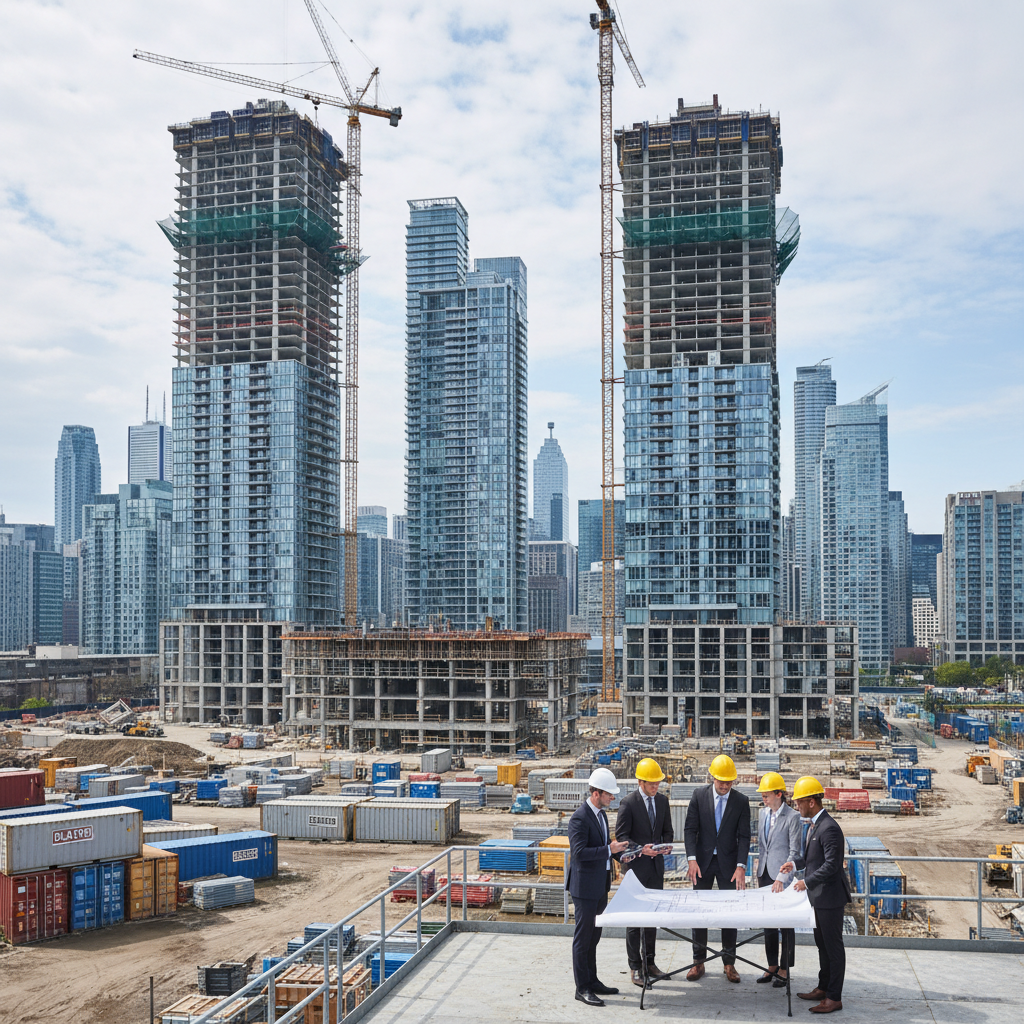
The luxury condo market, long fueled by overseas capital and construction imports, is encountering turbulence. With tariffs now applied to Chinese aluminum, steel, and electrical components, development costs have surged by 15% across downtown projects (Urban Toronto, April 2025).
Several pre-construction projects around the Lakeshore and Yonge Street corridor are experiencing delays due to cost overruns and sourcing issues. One mid-sized developer reported pausing a 600-unit build due to “unpredictable pricing and supply bottlenecks.”
Buyers, particularly foreign investors, are hesitating. Metro 1’s foreign buyer activity is down 19% compared to Q1 2024, according to the Toronto Real Estate Board. Meanwhile, resale condo prices are holding steady—but pre-construction values are slipping.
Tech Sector Rethinks Global Supply and Talent Models
Toronto’s downtown tech scene—home to both Canadian unicorns and U.S. satellite offices—is another casualty of trade instability. The tech corridor stretching along King Street and into Liberty Village has faced hardware procurement delays due to U.S. tariffs on Chinese semiconductors and servers.
Data centers serving Metro 1’s financial and e-commerce operations are seeing operational costs increase. One CTO from a fintech startup remarked: “We’re spending 12–18% more on servers, and talent costs are rising too—especially for remote teams abroad affected by visa bottlenecks.”
With H-1B visa restrictions in the U.S. and Canadian immigration delays due to diplomatic tensions, Toronto firms are reassessing their talent pipelines. There’s growing investment in local tech training programs and partnerships with GTA universities to reduce foreign dependency.
Logistics and Retail Grapple with Higher Import Costs
Toronto Metro 1, a logistics hub thanks to its highways, CN rail connections, and proximity to Pearson Airport, is feeling the burn from increased import tariffs on electronics, fashion, and home goods.
Retailers across Yonge-Dundas, Queen Street, and Bloor are revising inventory strategies. Big-box and mid-size brands are reducing SKUs for imported electronics, while passing cost increases—5–8%—to consumers. Several Canadian Tire and Best Buy locations in central Toronto are already limiting promotions and extending restock timelines.
E-commerce fulfillment centers in Etobicoke and Scarborough are seeing a 14% rise in cross-border shipping costs, driving local businesses to source more North American goods.
Investment Trends: From Risk to Resilience
Toronto Metro 1’s investor base, which includes both institutional giants and independent portfolio holders, is rapidly shifting strategy.
There’s notable movement from international REITs to Canadian-dollar-denominated bonds, high-dividend TSX stocks, and local green infrastructure projects. The Toronto Metro 1 Investment Confidence Index dipped 6.5% in April 2025, but saw a rebound in mid-May as investors focused on resilient sectors.
Venture capital is flowing more cautiously, with seed-stage deals down 23% from Q4 2024. However, there’s rising interest in logistics-tech, vertical farming startups, and smart building technologies that reduce construction dependency on foreign goods.
One investor with holdings in the Financial District put it bluntly: “This isn’t a time for greed. It’s a time for defensive innovation.”
What Comes Next for Metro 1?
Despite the turbulence, Toronto Metro 1 remains Canada’s economic epicenter. Provincial and federal policymakers are already working on fast-tracking local manufacturing permits and import subsidies for essential goods.
Economists project a modest 1.3% GDP growth for Toronto in 2025, down from 2.1% in 2024. But the city’s diverse economy and population base provide a buffer not found in smaller metros.
Local analysts suggest keeping a close eye on:
- Green housing investments tied to government sustainability incentives
- Tech startups focused on automation and onshore solutions
- Bond market performance and inflation-linked ETFs
- Policy updates on immigration and international trade deals
Final Thought
For Toronto Metro 1 investors, 2025 is a year to be sharp, selective, and regionally savvy. The trade war has introduced instability, but also opened doors for those bold enough to pivot toward localized, future-focused assets.
Want more Metro 1 financial analysis, investor briefings, and policy alerts? Subscribe to Toronto Economic Wire and stay two steps ahead.