- calendar_today August 9, 2025
In 2025, the Greater Toronto Area (GTA)—once a beacon of real estate investment and growth—is facing a pronounced freeze in housing market activity. After years of escalating home prices, bidding wars, and speculative buying, Toronto’s real estate engine has cooled dramatically. Sales volumes have dropped, listing times are increasing, and developers are holding back on new projects.
What’s causing the slowdown in Canada’s largest urban housing market? Multiple factors are converging, creating a perfect storm that’s freezing transactions across both the downtown core and surrounding suburbs.
Interest Rates Remain a Drag
At the heart of Toronto’s market freeze lies persistently high interest rates. After aggressive hikes from the Bank of Canada in 2023 and 2024 to fight inflation, rates remain elevated in 2025—despite recent hints of easing. The average 5-year fixed mortgage rate hovers around 6%, a stark contrast to the sub-3% rates buyers enjoyed just a few years ago.
For many would-be buyers, higher borrowing costs have pushed mortgage payments beyond affordability, especially in a market where average home prices remain near $1 million. Even modest homes in Mississauga, Scarborough, or Vaughan now require substantial income to qualify for a mortgage.
The result? Buyer demand has cooled, particularly among first-time buyers and investors who previously drove much of the market’s momentum.
Inventory Has Risen—but Not Where It’s Needed
Toronto’s housing inventory has grown significantly over the past year. Active listings across the GTA are up nearly 30% from mid-2024, giving buyers more options—but not necessarily at affordable price points. A large portion of this inventory consists of high-end condos, townhomes, and luxury properties, while affordable starter homes remain elusive.
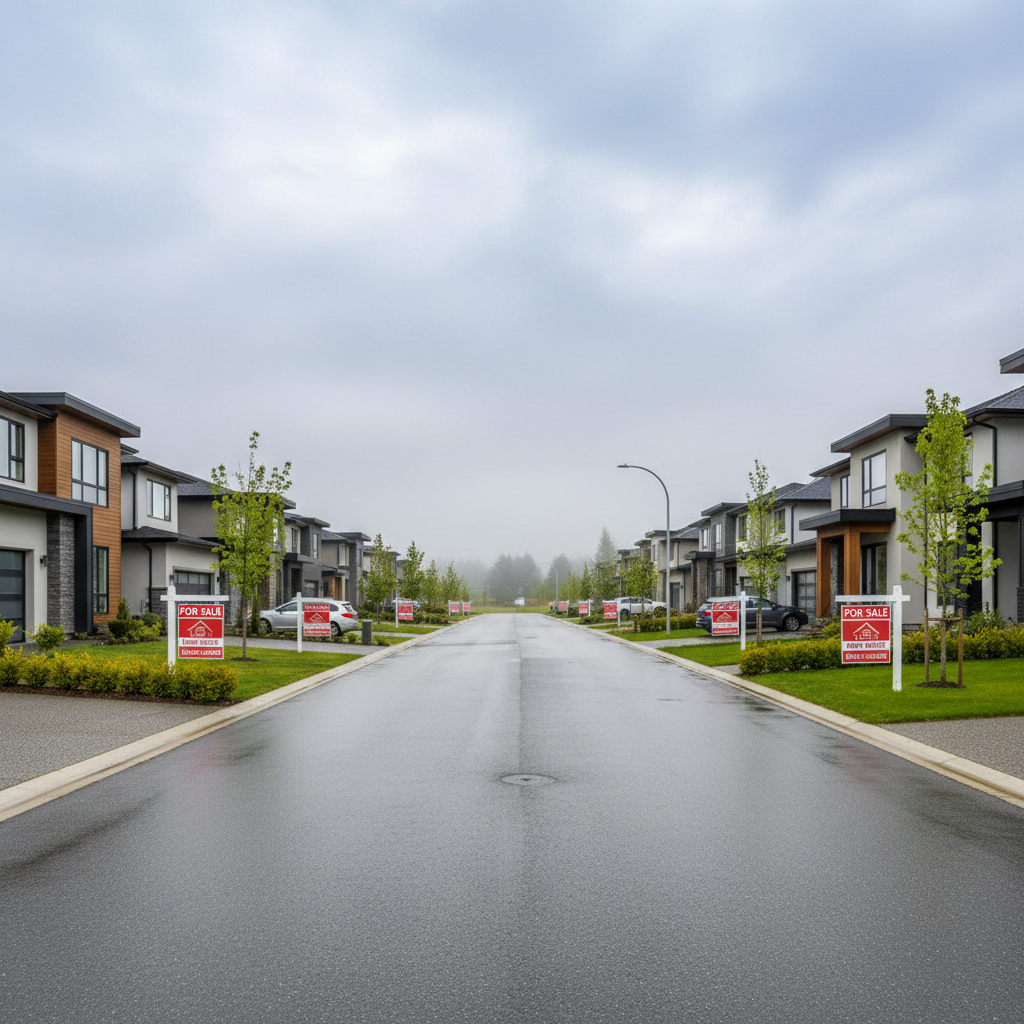
In suburban areas like Brampton and Milton, new subdivisions are facing slower absorption rates. Developers who previously sold out pre-construction phases in days are now offering incentives, including free upgrades or mortgage rate buy-downs, to lure hesitant buyers.
Despite the rise in supply, it hasn’t translated into more accessible housing. The “missing middle”—duplexes, triplexes, and affordable low-rise developments—remains scarce due to zoning constraints and construction costs.
Investor Caution Adds to the Chill
Investors played a crucial role in Toronto’s housing boom over the past decade, but they’re now taking a step back. Higher interest rates and softening rental yields have cut into profits, especially in downtown condo markets. Some landlords are even listing properties below market value to offload assets.
Airbnb and short-term rental operators are also under pressure due to tighter regulations and declining tourist activity. This has further contributed to an increase in available rental and resale units.
The speculative frenzy that defined Toronto real estate between 2015 and 2021 is now firmly in the rearview mirror. With capital appreciation no longer guaranteed, many investors are staying on the sidelines.
Urban vs Suburban Dynamics
Within the Toronto Metro region, trends vary depending on the neighborhood. Downtown Toronto has seen one of the steepest drops in condo sales, particularly in the Entertainment District, King West, and CityPlace. Many units are lingering on the market, and price cuts are becoming more common.
In contrast, outer suburbs like Durham Region and Halton Hills are seeing relative stability in detached home prices, although volumes are down. These areas are benefiting from buyers prioritizing space and affordability over proximity to downtown.
Public transit expansion projects like the Ontario Line and GO Train upgrades may support suburban demand in the long term—but for now, the regional freeze is broadly felt.
Construction Slowdown Ahead
Toronto’s construction industry is also feeling the chill. Several high-rise condo projects that were scheduled to break ground in 2025 have been delayed due to financing issues and weak pre-sale activity. Builders are scaling back risk exposure, and labor shortages continue to drive up costs.
The development pause could worsen long-term housing supply issues in the GTA. But in the short term, it reflects the market’s loss of confidence and hesitation to commit capital in a cooling environment.
Renters Also Feeling the Effects
While homebuyers are holding back, renters aren’t immune to the freeze’s consequences. Rental prices in Toronto have stabilized, but they remain high by national standards. Vacancy rates have ticked up slightly, especially in purpose-built rental buildings, as supply increases and demand tapers.
However, affordability remains a challenge for renters too, especially in the downtown core and university-adjacent areas. Wage growth has not kept pace with rising housing costs, further straining household budgets.
Government Policy and Sentiment
Despite government interventions such as foreign buyer taxes, speculation taxes, and zoning reform incentives, market sentiment has yet to improve significantly. Many prospective buyers are adopting a “wait and see” approach, expecting prices to fall further before making a move.
Confidence in the market has also been dented by a series of high-profile development delays, mortgage defaults, and reports of overvalued properties in newly built towers. Until there is more clarity on interest rate direction and inflation trends, consumer hesitation will likely persist.
Looking Ahead: A Market in Reset Mode
Toronto’s 2025 housing freeze may not be a crash, but it’s a sharp reset. The exuberance of past years has been replaced by caution, calculation, and recalibration. Homeowners are less willing to list, buyers are less willing to bid, and the result is a standoff—one that may continue until economic conditions shift.
While long-term fundamentals such as immigration, population growth, and urbanization remain strong, the short-term market picture in Toronto is one of frozen momentum. Real estate professionals are adapting, but the days of quick flips and record-breaking offers appear to be over—at least for now.
Toronto’s housing market in 2025 is a tale of transition. From rising rates to regulatory tightening and investor pullback, multiple forces are contributing to a widespread cooling across the region. Whether the freeze deepens or starts to thaw will depend on broader economic shifts in the coming months. But one thing is clear: the Toronto real estate market is no longer untouchable—it’s undergoing a necessary and overdue correction.