- calendar_today April 24, 2026
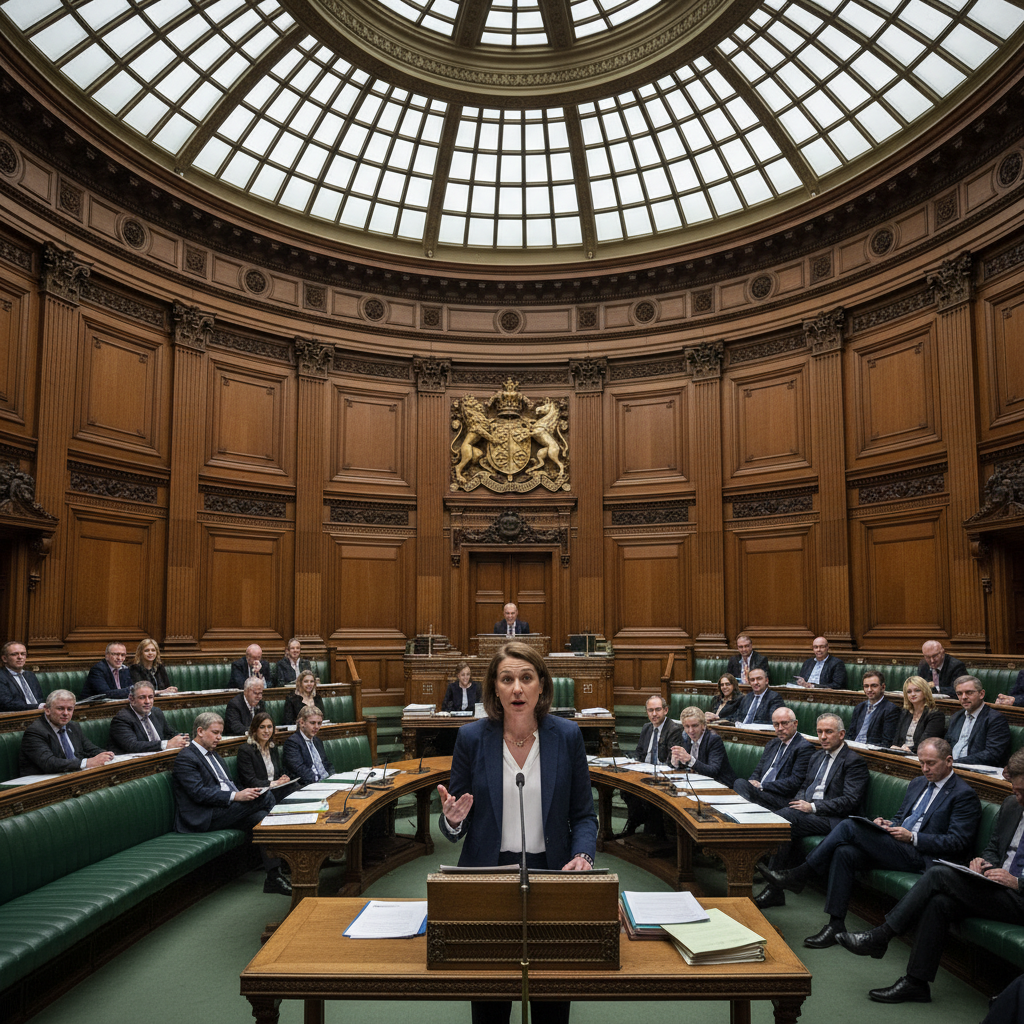
The Ontario government has ignited a heated policy debate in Toronto Metro by introducing legislation that would give the province direct control over the governance and future of Billy Bishop Airport. The sweeping move, announced at Queen’s Park this week, positions the province to replace the City of Toronto in the longstanding Tripartite Agreement, a critical accord that sets the framework for airport operations alongside federal and port authorities.
Provincial Ambitions Spark Billy Bishop Expansion Plans
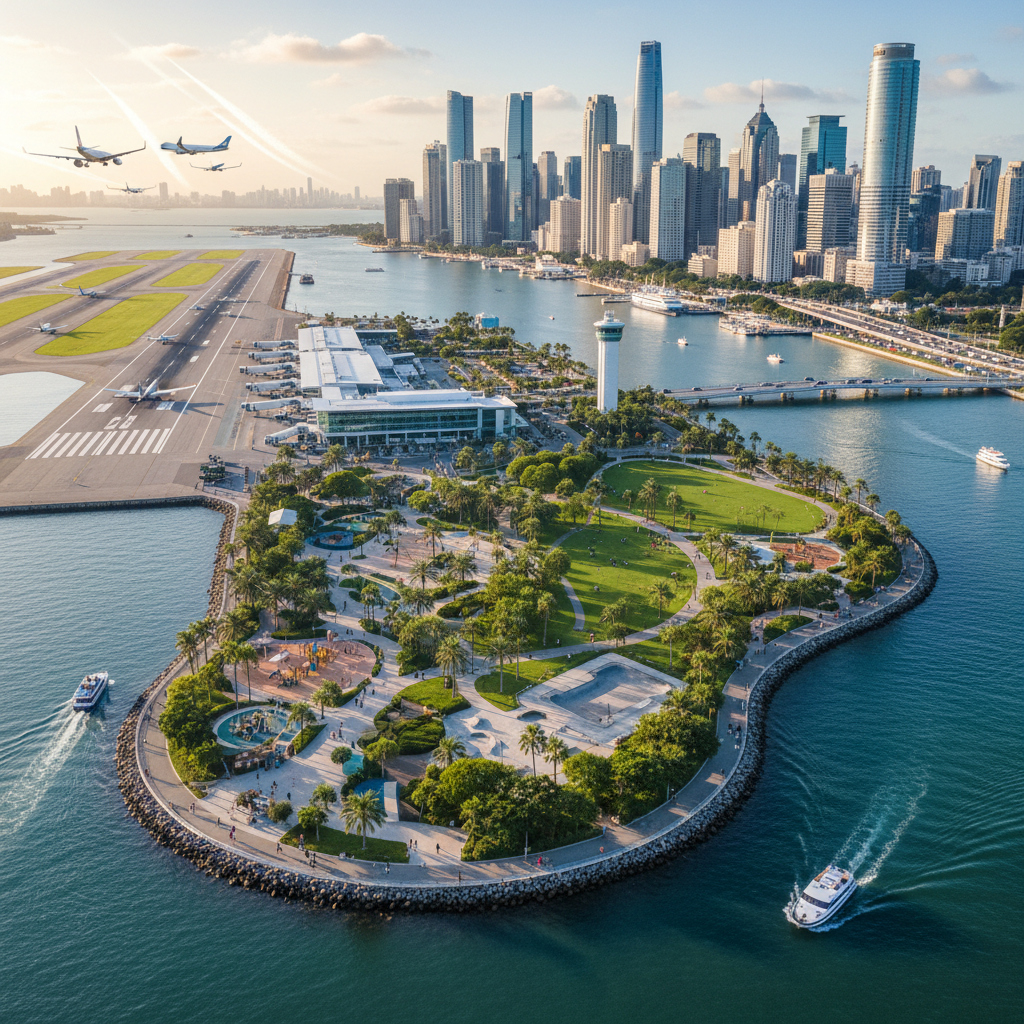
Premier Doug Ford has made it clear that the Ontario government sees the expansion of Billy Bishop Airport as vital to the region’s future air travel needs. The provincial plan calls for increased airport capacity, promising more flight options for residents and visitors alike. Proponents argue that the billy bishop expansion is necessary to relieve mounting pressure on Toronto Pearson International Airport and to provide a direct boost to tourism and local business.
Controversy at City Hall: Toronto City Council Responds
The legislative move has been met with swift and vocal opposition from toronto city council, Mayor Olivia Chow, and a coalition of local representatives. Critics contend that the province acted without adequate consultation or consideration of the unique interests of Toronto. At the core of the dispute is the potential loss of municipal influence over a prized part of the Toronto waterfront, as well as adjacent areas including Little Norway Park.
City Land Dispute Brings Governance Tensions to Forefront
The transfer of oversight for Billy Bishop lands has intensified what many local leaders are calling a significant city land dispute. Mayor Chow and council members have warned that the shift in airport governance could reduce local ability to protect green space and shape urban planning decisions that directly impact city residents. The city is now exploring legal avenues to challenge the legislation, setting up a potential showdown between Queen’s Park and municipal authorities.
Concerns Raised for Waterfront Communities and Environment
Residents and community groups have rallied around concerns about the wider impact of the provincial legislation. The Toronto Islands and nearby neighborhoods may see changes in traffic and environmental pressures. Many worry that the new governance could pave the way for further expansion at the expense of public parkland, with Little Norway Park singled out as at risk. The delicate ecosystem of the toronto waterfront—long protected by strict land use arrangements—could face new pressures if the airport’s footprint grows unchecked.
Stakeholders and the Future of Airport Capacity
While the Ontario government remains committed to moving the legislation through the provincial legislature, public hearings and advocacy from local stakeholders are expected to continue. The province argues that the changes will bring much-needed growth and resiliency to the region’s transportation network, emphasizing that increased airport capacity at Billy Bishop is essential. However, calls for collaborative dialogue remain strong across both provincial and municipal lines.
Broader Implications for Urban Policy in Toronto Metro
The battle over Billy Bishop highlights ongoing tensions around local governance, land ownership, and urban development policy in Toronto Metro. With the ontario government pushing for accelerated change and the toronto mayor defending municipal authority, the dispute signals yet another complex chapter in the relationship between city and province. The outcome of this airport governance struggle could set critical precedents for future public land use and infrastructure projects in the region.