
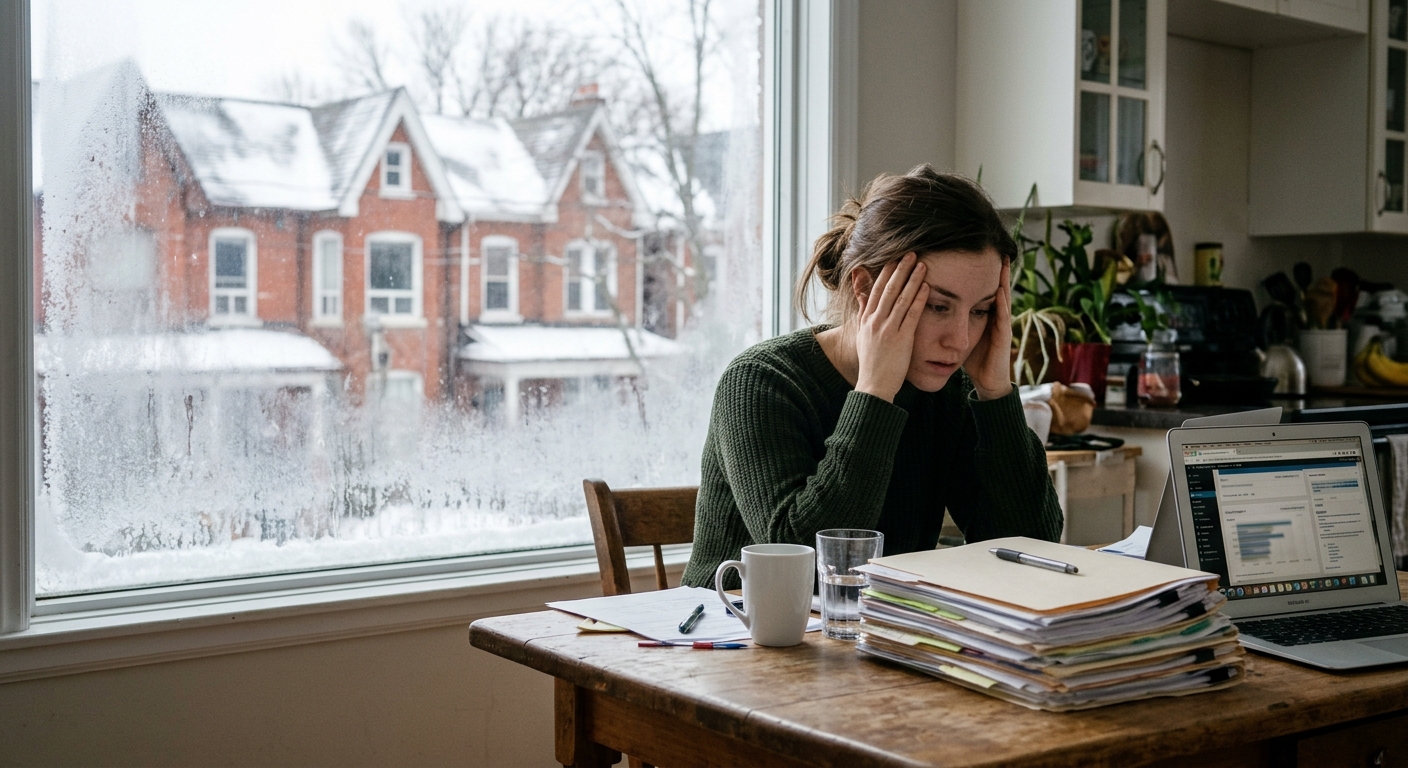
AI-generated illustration; not a photograph of the reported event.
- calendar_today October 30, 2026
Sabrina Apitz-Grossman's Battle With Rare Cancer
Sabrina Apitz-Grossman, a Toronto resident diagnosed with synovial sarcoma, is facing a new challenge as she battles stage IV cancer. The rare and aggressive soft-tissue cancer was discovered when she was 28, halting her plans after law school and forcing her life into an unexpected trajectory. Now in her early thirties, Apitz-Grossman finds herself fighting for access to life-saving treatment unavailable in Canada.
Rare Cancer Treatment Unavailable in Canada
After consultation with oncologists fourteen months ago, Apitz-Grossman learned she was eligible for a specialized immunotherapy treatment known as Telcera—a form of T-cell therapy currently only available in the United States. The therapy requires a precise match between the patient’s immune-system markers (HLA type) and tumor antigen expression. Apitz-Grossman described her relief and hope when she found out she qualified, recounting how it was the first time in years she "felt like [she] was going to live."
Ontario Government Denies Funding for Telcera Therapy
Despite this hope, Apitz-Grossman’s optimism faded when she discovered the Ontario government would not cover the $785,000 CAD cost for the rare cancer treatment. She pursued both the province’s out-of-country medical program, which can pay for treatments unavailable in Ontario, and a case-by-case review program for unfunded cancer drugs. Although she received one-time permission to import the medication and secured Princess Margaret Hospital’s agreement to administer it, Ontario ultimately refused funding.
Reasons Behind Funding Denial
The province reportedly denied Apitz-Grossman’s application because they planned to review funding for the drug in the future. However, she says the manufacturer of Telcera does not intend to seek approval in Canada due to regulatory challenges and the narrow market for such a rare type of cancer. Apitz-Grossman noted that her situation is not unique, referencing other patients fighting government decisions about access to out of country treatment for rare illnesses with little success.
Turning to Medical Crowdfunding
With official funding avenues exhausted and time running out—her cancer has since spread to both lungs—Apitz-Grossman and her husband have turned to medical crowdfunding. A GoFundMe campaign organized by her friend, Sam Murray, has raised $165,145 of the $785,000 needed for treatment at the time of publication. If the funds are secured, she will still need to confirm government permission for importation remains valid and that the hospital is able to proceed before beginning treatment, which requires two months to genetically engineer the T-cells involved in the therapy.
Broader Implications for Cancer Patient Advocacy
Apitz-Grossman’s fight is not just personal. Her case has brought attention to systemic gaps in cancer drug approval and funding for emergent therapies in Canada, especially for patients with rare cancers. She believes the situation raises important questions about access to healthcare and equity. "I think this issue is a lot bigger than me… people who are diagnosed with rare cancers who find out that there are treatments that could save them, but that they can’t get their hands on for whatever reason. And I think, as a society, we need to have an open and loud conversation about what we want to do in those kinds of situations," Apitz-Grossman said.
As her window for effective treatment narrows, Apitz-Grossman's story highlights the complex, often difficult path that patients with rare diseases must navigate in the Canadian healthcare system—underscoring the emotional and financial toll of seeking out-of-country care when government support is not forthcoming.
Related coverage
Source: nowtoronto.com.


