- calendar_today August 28, 2025
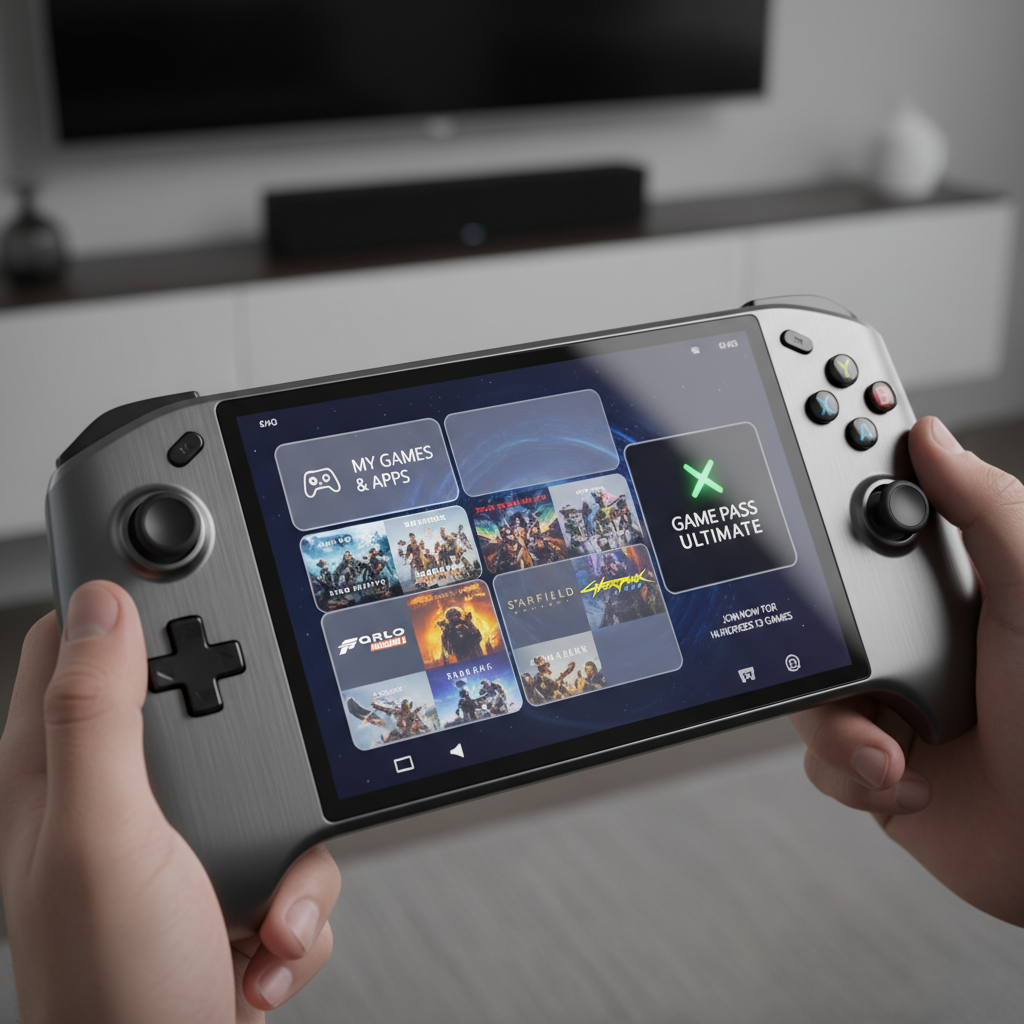
Microsoft enters the handheld gaming market through an Xbox-labeled interface that targets Windows-based portable gaming hardware. Microsoft and Asus worked together to develop this interface which will debut on the ROG Xbox Ally, a unique iteration of the ROG Ally handheld gaming device. The new UI abandons the traditional Windows desktop-and-taskbar setup and features a full-screen, tile-based layout which provides touchscreens and game controllers with an optimized and console-like gaming experience.
The strategy is recognized as a reaction to Valve’s Steam Deck which operates with SteamOS based on a Linux system. Proton functions as a compatibility layer within SteamOS to run a broad spectrum of Windows games which has experienced significant enhancement over recent years. Proton enables Linux users to play Windows-originated games without needing to install Windows by building upon the Wine project. SteamOS lacks universal title support and full Windows replacement capabilities although it attracts a dedicated gamer base seeking a streamlined gaming platform.
The new Xbox UI from Microsoft brings together Windows’ extensive game support with console gaming’s straightforward navigation system. The company announced that the UI deployment will start with the ROG Xbox Ally before extending to additional ROG Ally handheld devices. An identical experience should launch for additional Windows handheld devices starting next year. The objective is to develop an interface that adapts specifically for handheld gaming yet preserves the comprehensive functionality Windows provides.
The development of a Windows mode optimized for handheld devices started several months ago. An internal hackathon took place at Microsoft in 2022 where employees worked on fixing Windows’ limitations for handheld devices. A new “Windows Handheld Mode” was introduced by them which incorporates an enhanced touch interface for improved usability along with better controller support and heightened visibility features. Experts have yet to confirm the new Xbox UI came from that prototype but the resemblances between them raise questions.
This project prioritizes performance improvement as a fundamental objective. Microsoft states that the new UI replaces the traditional Windows interface which leads to reduced RAM usage by multiple gigabytes and decreased energy consumption. Handheld devices benefit the most from these enhancements since efficiency impacts both power consumption and gaming performance. Handheld devices running Windows like the original ROG Ally require external programs such as Asus’ Armoury Crate for their semi-console functionality which increases system overhead. The new UI from Microsoft delivers identical functionality to users while adding zero extra system load.
The full Windows desktop environment remains accessible to users who must manually initiate its launch. Gamers benefit from this hybrid method because they can switch from a simple gaming interface to a comprehensive Windows desktop environment based on their requirements. It offers the best of both worlds: Users receive a streamlined gaming interface which functions efficiently while also having access to a complete Windows desktop environment whenever they need it.
Microsoft entered the handheld gaming market at a crucial time despite its late arrival which stemmed from its recent focus on artificial intelligence and cybersecurity development. As Valve’s SteamOS and Proton improve they move beyond the Steam Deck into other gaming devices including Asus’ hardware. Linux achieved a slight yet significant increase in desktop market share which led to its first-time crossing of the 4% threshold last year.
The PC market dominance of Windows comes from its extensive compatibility with both games and software throughout history. The dominance of Windows in PC gaming is being challenged by initiatives such as Proton and platforms like SteamOS. Users can play Windows games without depending on the Windows operating system through these platforms which will decrease Microsoft’s market control over time. As these alternative platforms improve and Windows operating system grows more complex and demanding of resources, more users may decide to switch their systems.
The launch of Microsoft’s specialized handheld interface extends beyond the goal of simply countering Valve’s advancements. Microsoft needs to maintain its significance in gaming as players now demand more flexible systems with high performance. The outcome of Microsoft’s new Xbox UI will establish if Windows will maintain its status as the primary PC gaming platform or push gamers to explore other systems that deliver superior handheld gaming experiences.